 Image 1 of 3
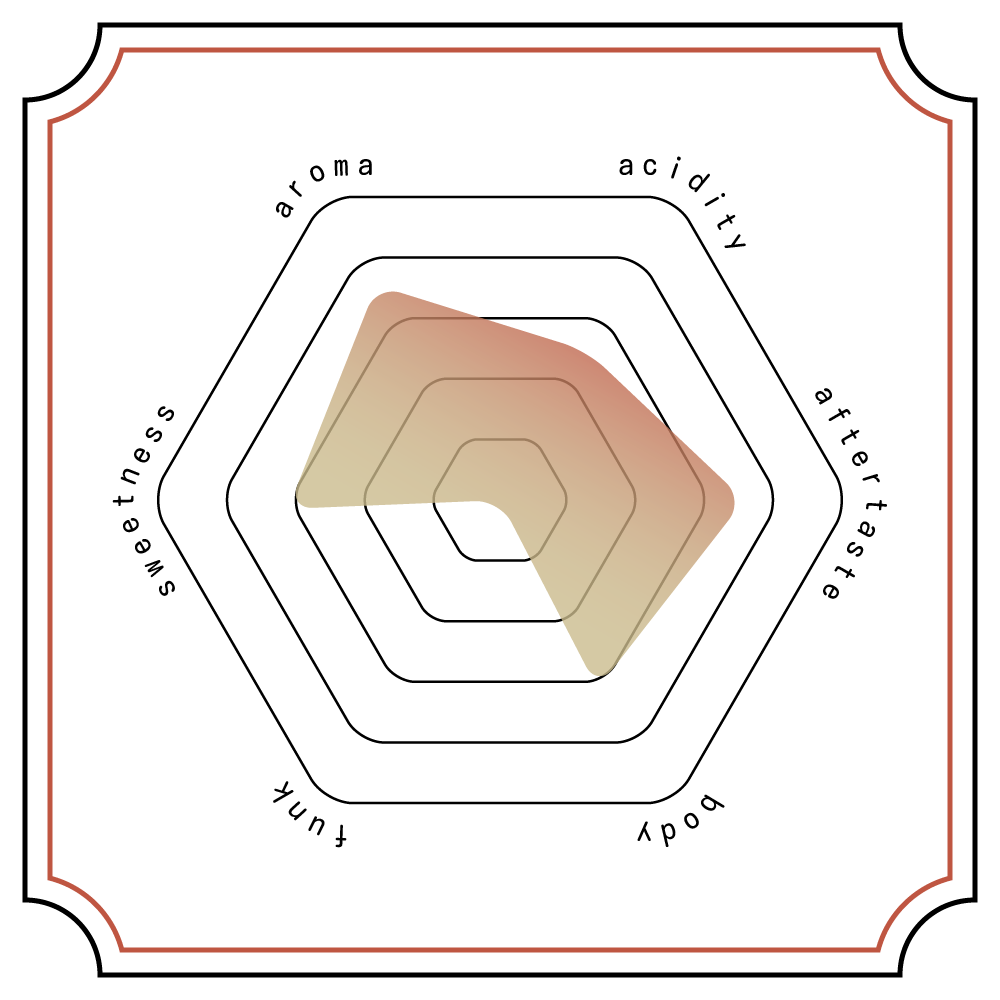 Image 2 of 3
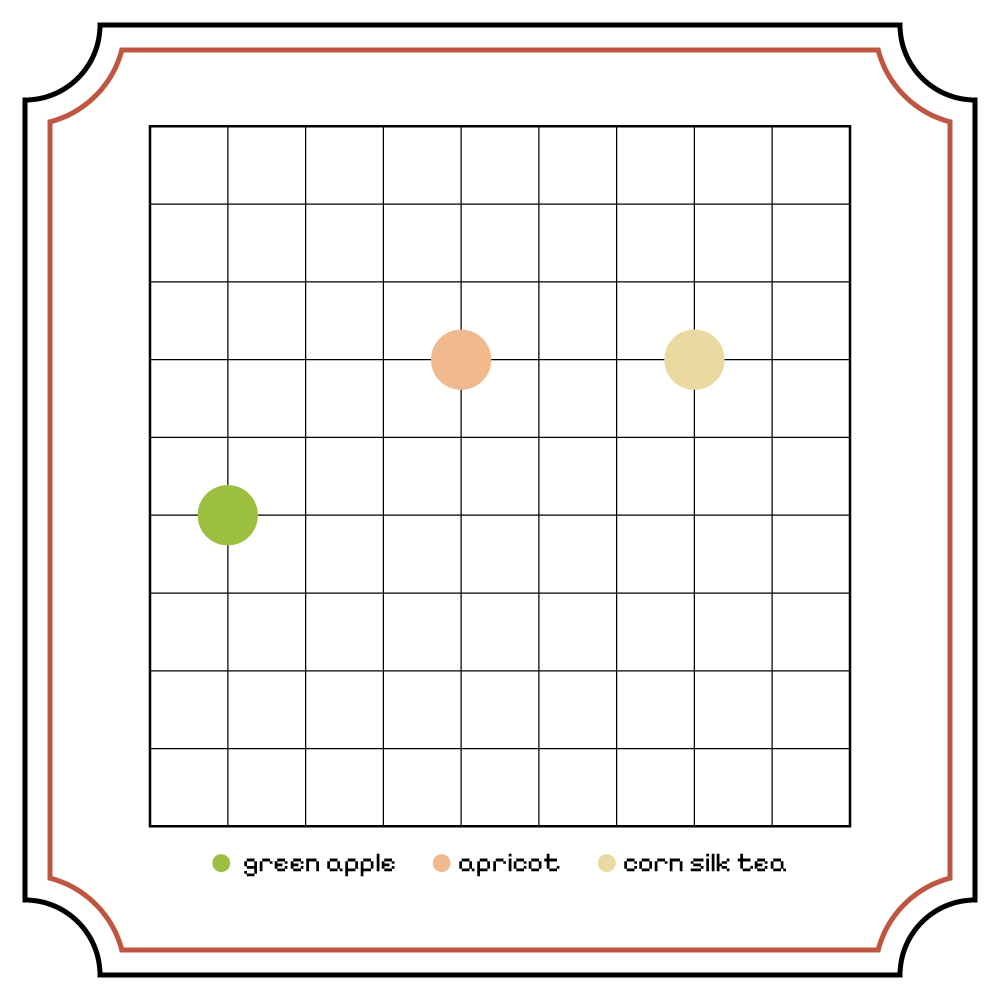 Image 3 of 3
-
Region: Carmo de Minas, Minas Gerais
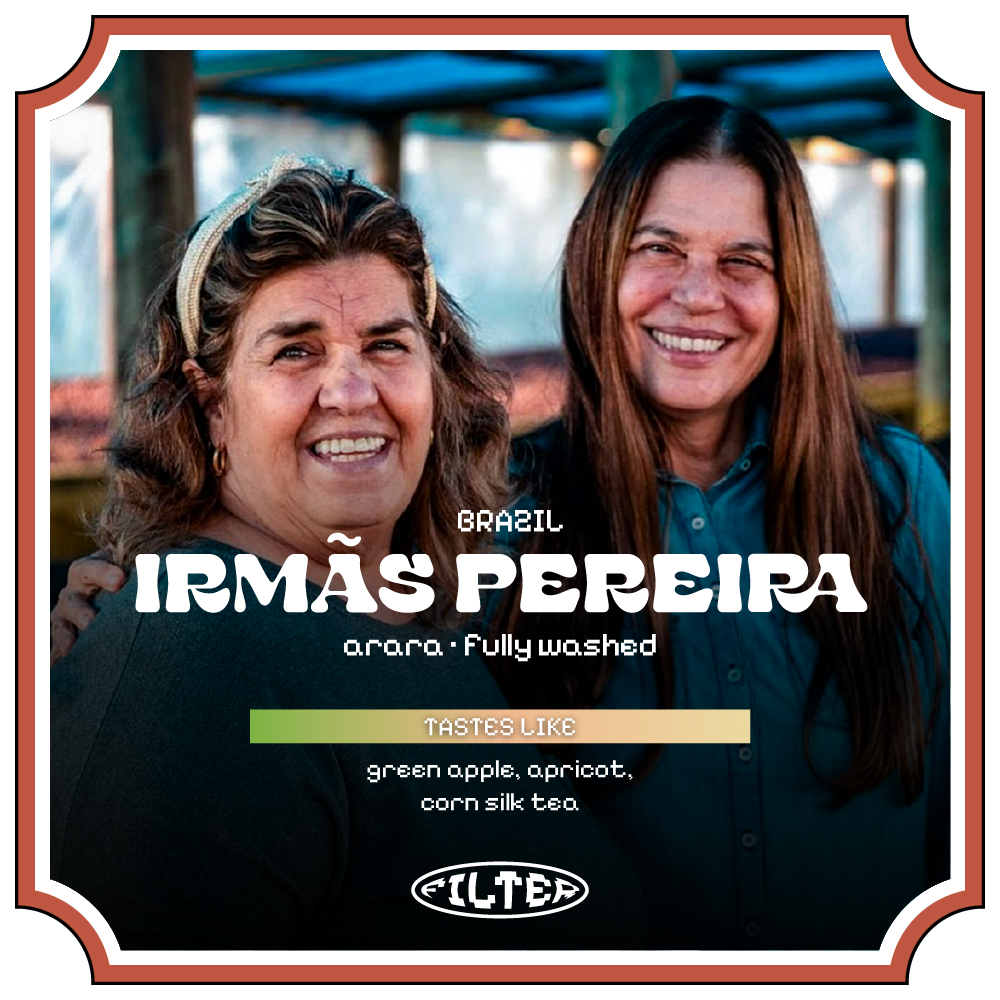
Producer: Maria Valéria & Maria Rogéria Pereira
Cultivar: Arara
Process: Fully Washed
Elevation: 1050-1200 maslRoast level: Extremely light
Roasted for: Filter
Rec. rest: 28 days
Net weight: 150g -
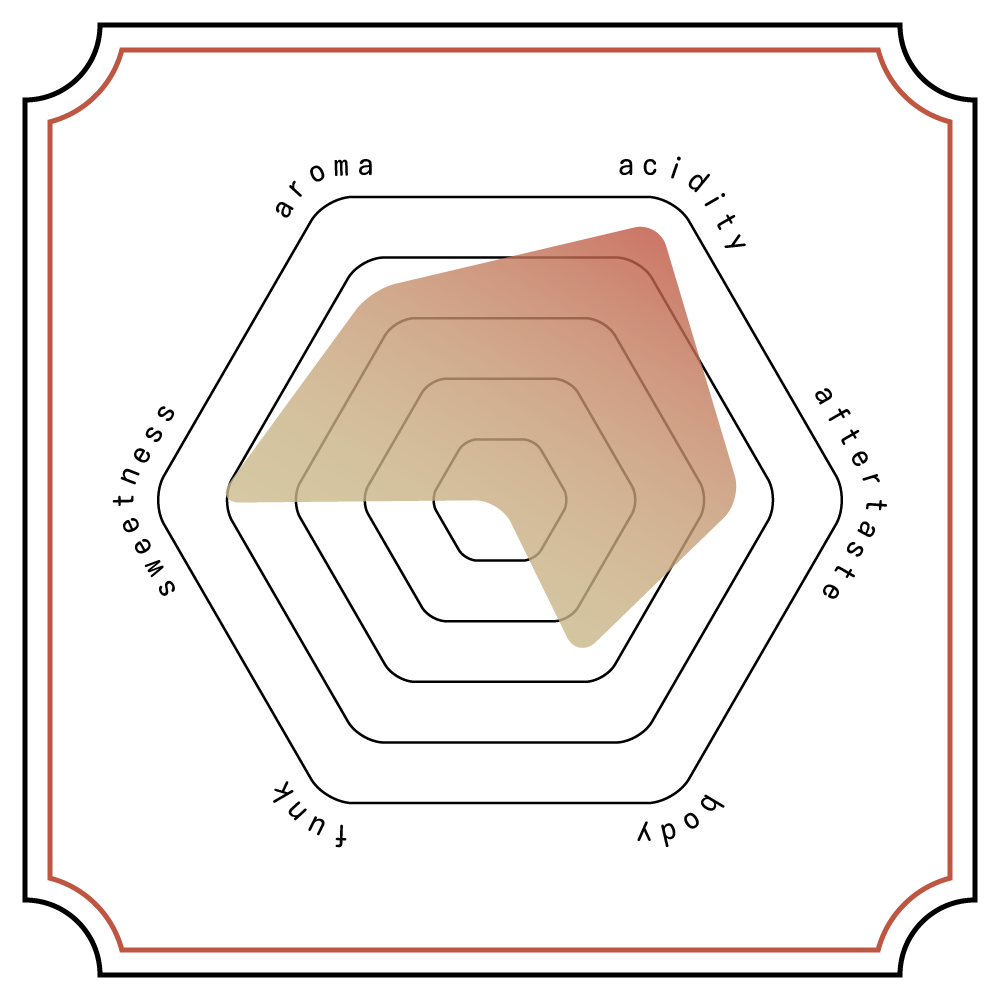
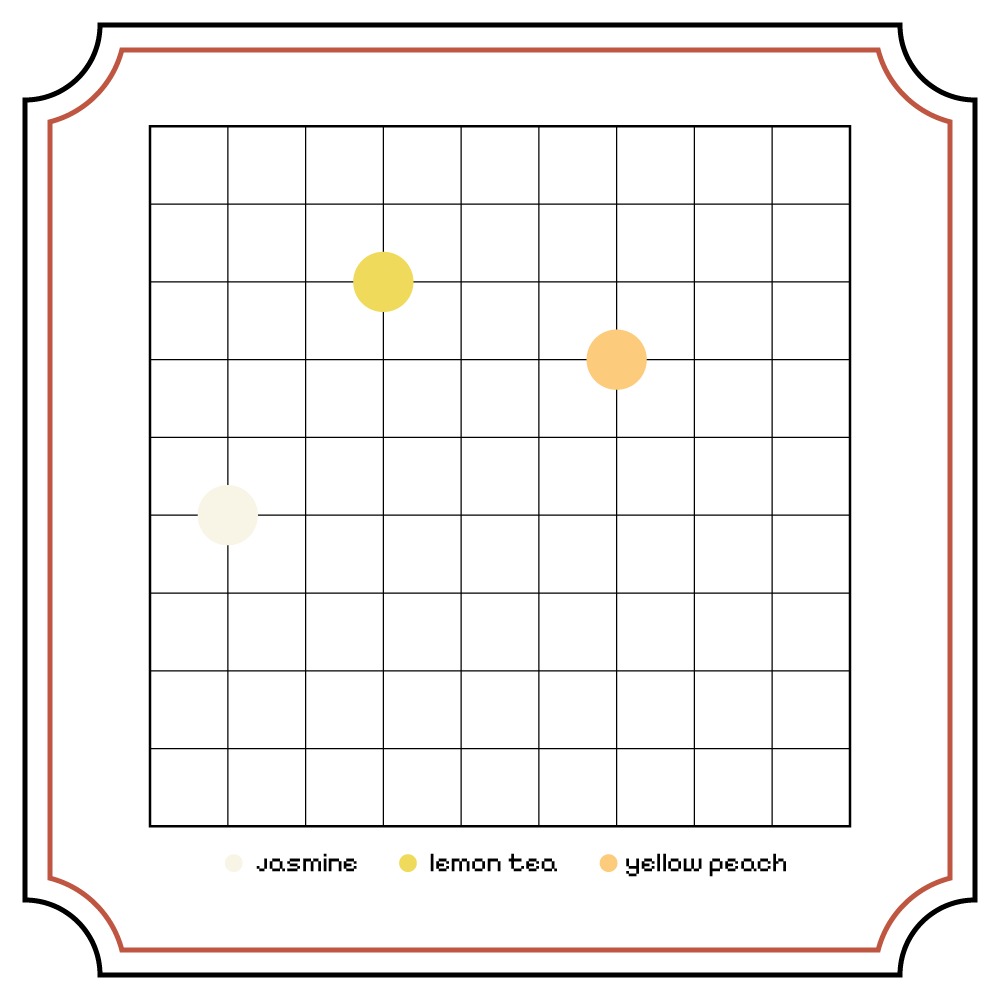
Tasting Notes: Green apple, apricot, corn silk tea
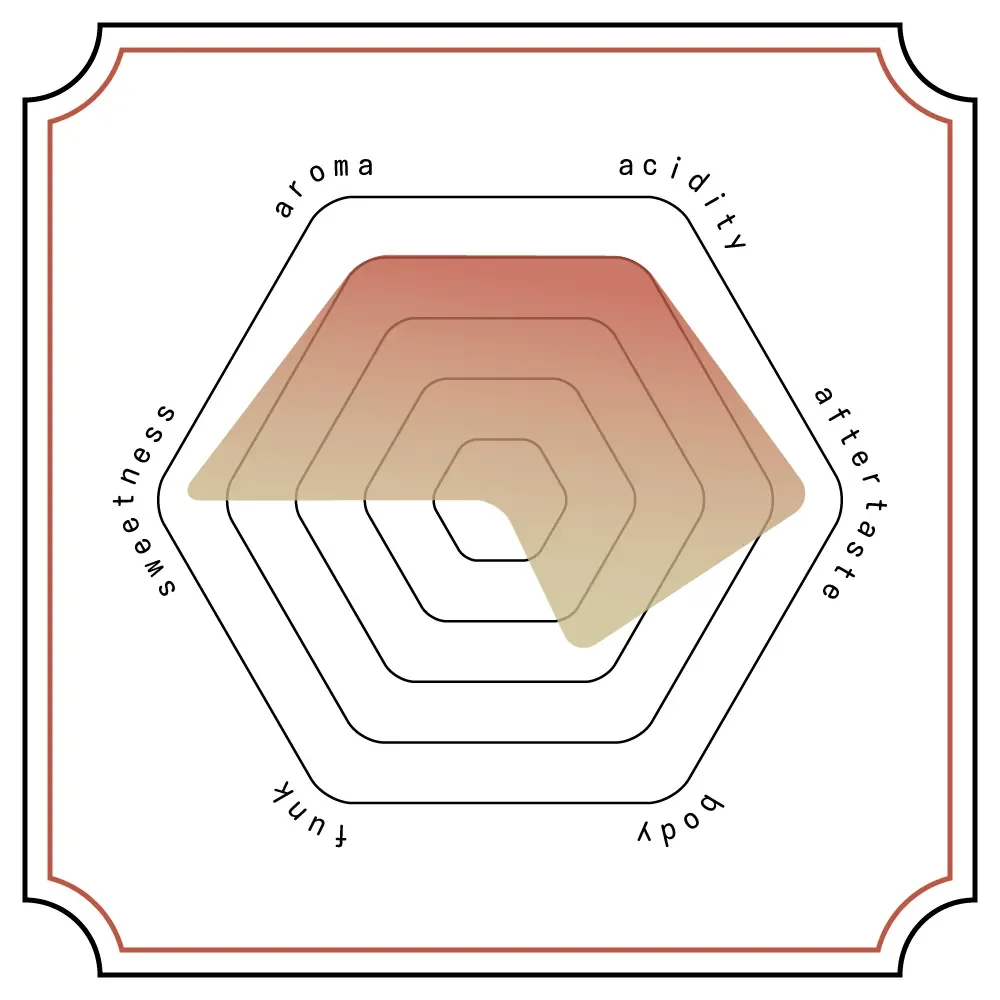
Fragrance/Aroma: Green apple, stonefruit, milky
Acidity: Rounded, soft, malic
Body: Silky, tea-like
Aftertaste: Mildly sweet, peanutty with subtly floral undertonesThe dry fragrance opens with gentle notes of green apple, accompanied by a familiar peanut character often associated with Brazilian coffees. Beneath these, a subtle milky quality hints at the stone fruit to come. As the coffee brews, apricot becomes more pronounced, bringing a softer, fruitier dimension to the aroma, while the peanut notes remain quietly persistent.
In the cup, rounded malic acidity introduces a delicate green apple character, fresh and gently tart without being sharp. This gradually gives way to apricot, whose soft stone fruit sweetness adds warmth and roundness to the profile. Throughout, a mild nuttiness provides an underlying thread, lending the fruit a more grounded, comforting quality. The silky, tea-like body keeps the cup light in texture, bringing to mind the delicate sweetness and gentle grain-like character of corn silk tea.
As the cup progresses, the green apple and apricot gradually recede, making way for a softer cane sugar sweetness. The peanut character becomes more prominent towards the finish, though it is accompanied by subtle floral undertones that provide a gentle lift and prevent the nuttiness from lingering too heavily. The aftertaste is mild and understated, with a delicate interplay of sweetness, nuts and florals.
Overall, this is a mellow, well-rounded cup that moves from fresh green apple and soft apricot towards the gentle sweetness of corn silk tea, finishing with a lingering impression of peanut and a quiet floral lift.
-
Fazenda Irmãs Pereira is a family-run estate in Carmo de Minas, in the Mantiqueira de Minas region of southern Minas Gerais. Its story began in the early 1970s, when Antônio Andrade Pereira Filho and his wife, Maria da Conceição Costa Pereira, acquired land and planted their first coffee trees. Their daughters, Maria Valéria and Maria Rogéria, grew up helping on the farm and eventually took over its management with their husbands. Rather than divide the property after their father’s passing, the sisters chose to continue working together, renaming the estate Irmãs Pereira (Portuguese for Pereira Sisters) – a name that reflects the partnership at the heart of the farm.
Today, the estate spans approximately 250 hectares, with around 120 hectares allocated to growing coffee. The sisters and their families have built a reputation for specialty coffee through a willingness to experiment with processing, alongside established methods. Their work includes honey processes, unwashed naturals and other variations designed to explore different expressions of the coffee. This spirit of innovation makes a fully washed lot particularly interesting: it represents a less common approach within Brazil’s coffee landscape, rather than the farm’s more familiar processing styles.
Arara itself is a relatively modern Brazilian cultivar, developed through selection work by Fundação Procafé. Its origins can be traced to yellow-fruited plants discovered in a field of Sarchimor 1669-20 in Paraná in 1987. These unusual plants were selected over several generations in Paraná and later at Fundação Procafé’s experimental farm in Varginha, Minas Gerais, eventually becoming the Arara cultivar, officially registered in 2012. It is recognised for its high productivity, vigorous growth, large yellow cherries and resistance to coffee leaf rust. Beyond its agricultural advantages, Arara has also earned recognition for producing coffees with distinctive cup quality.
Washed coffee is relatively uncommon in Brazil for reasons that are as much practical as traditional. Much of the country’s coffee-growing regions enjoy a distinct dry harvest season, with abundant sunshine that makes drying whole cherries on large patios both reliable and economical. Brazil’s largely concentrated harvest also lends itself to strip-picking and mechanisation, whereas fully washed processing calls for more selective harvesting of ripe cherries, prompt delivery for pulping, fermentation and washing, as well as additional equipment, labour and water. The extra infrastructure and handling make it more expensive to produce, particularly at scale. Consequently, natural and pulped-natural coffees became the dominant styles, with fully washed lots remaining a smaller part of the country’s output.
Against this backdrop, this fully washed Arara from the Pereira sisters is a distinctive expression of both cultivar and origin. It brings together a variety developed for the Brazilian growing environment with a processing method less commonly practised in the country. At Irmãs Pereira, where experimentation has long been part of the family’s approach to specialty coffee, this lot is another example of the sisters’ willingness to explore beyond convention.
-
Sourced from: MI Coffee
We paid: S$25.65/kg
Roasted cost: S$44.62/kg -
Moisture content: 10.4%
Weight loss: 10.8%
Agtron: W79.8 / G120.4 / △40.4