 Image 1 of 3
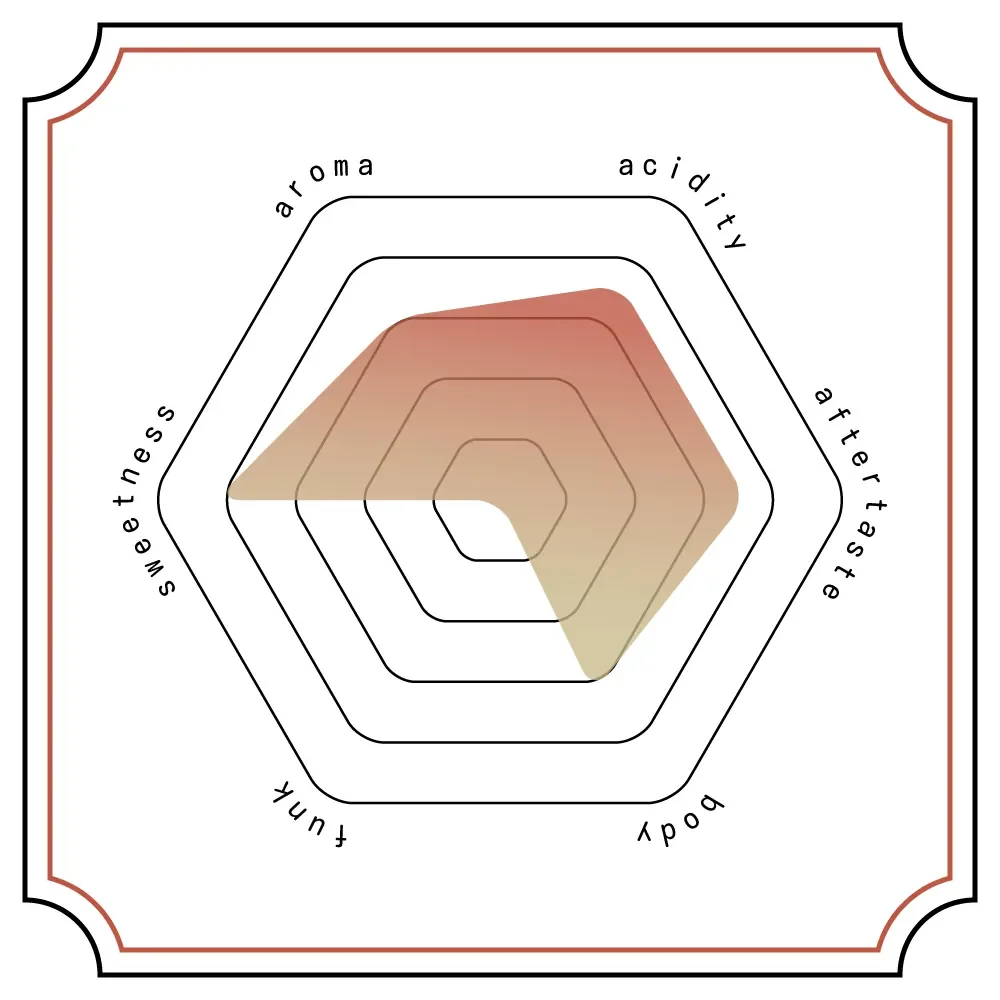 Image 2 of 3
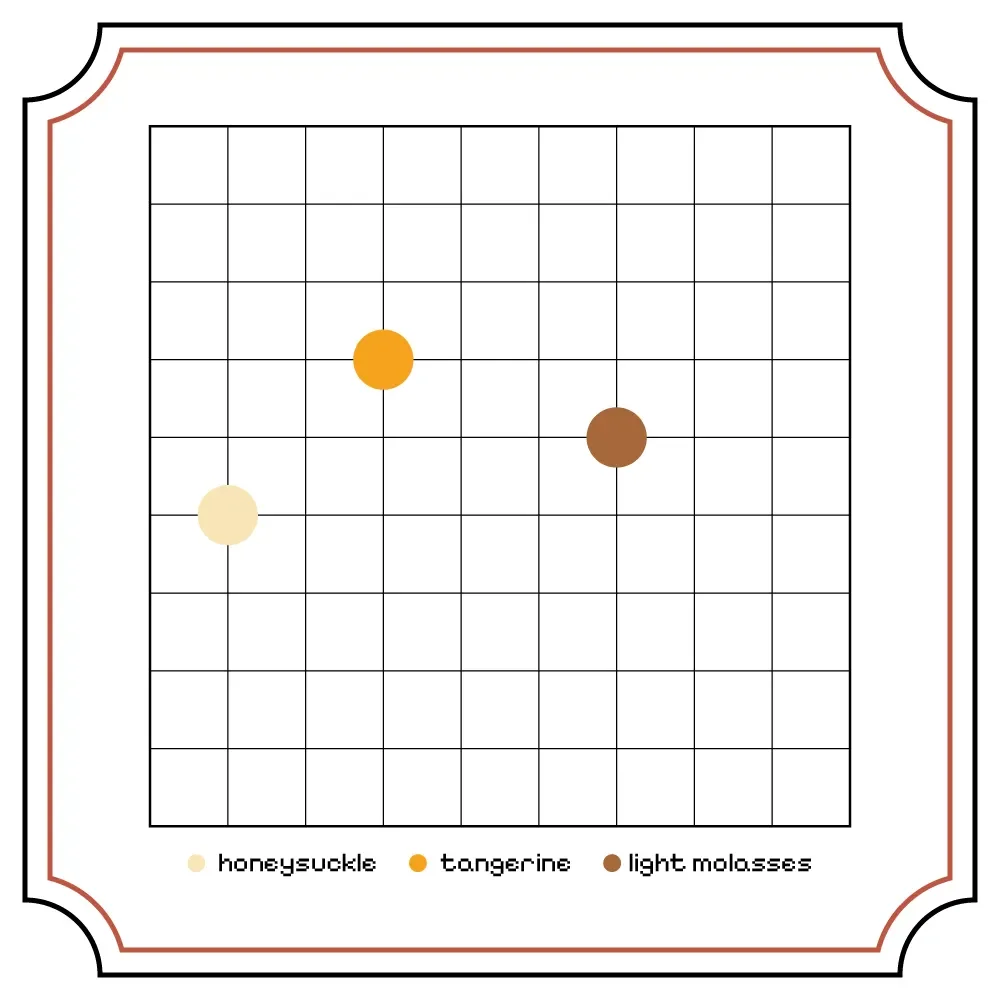 Image 3 of 3
-
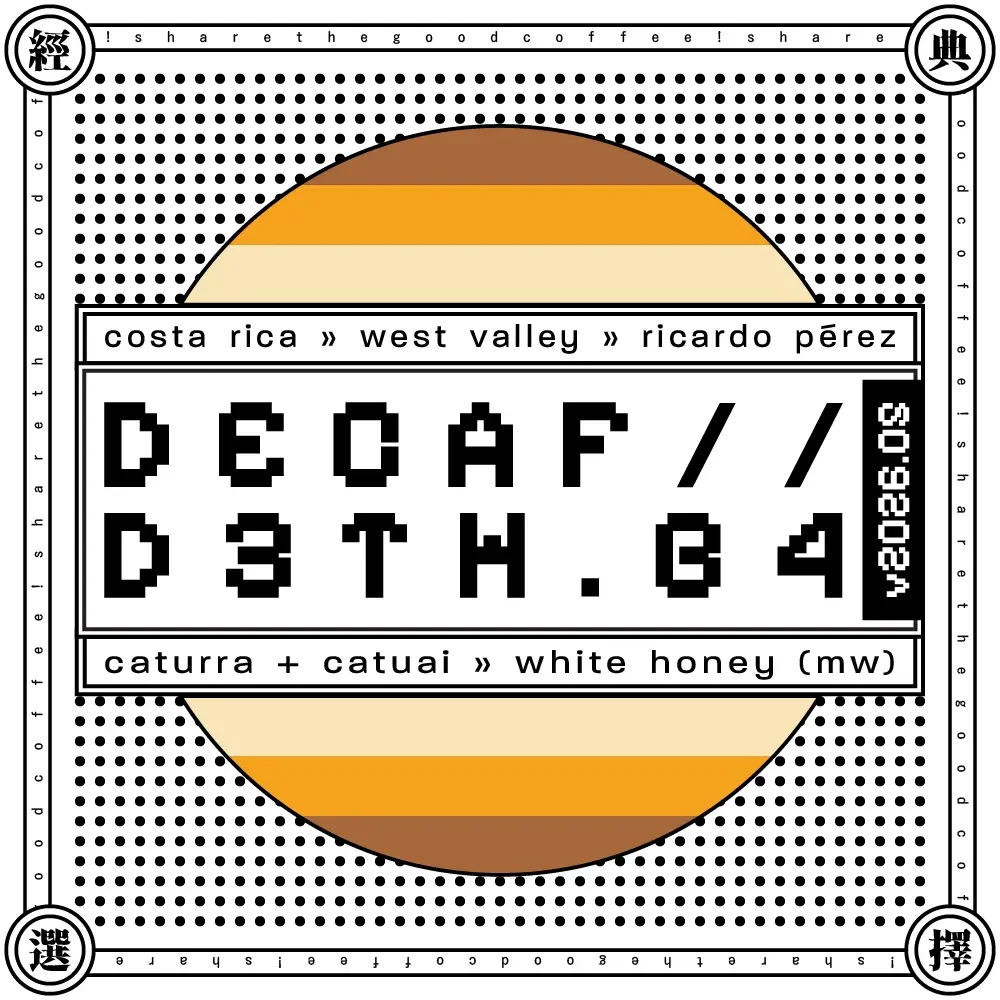
Region: Naranjo, West Valley
Producer: Ricardo Pérez
Micromill: Helsar de Zarcero
Cultivar: Caturra, Catuai
Process: White Honey » Mountain Water Decaf
Elevation: 1700-1750 maslRoast level: Very light
Roasted for: Mod Spro + Filter
Rec. rest: 7 days
Net weight: 150g -
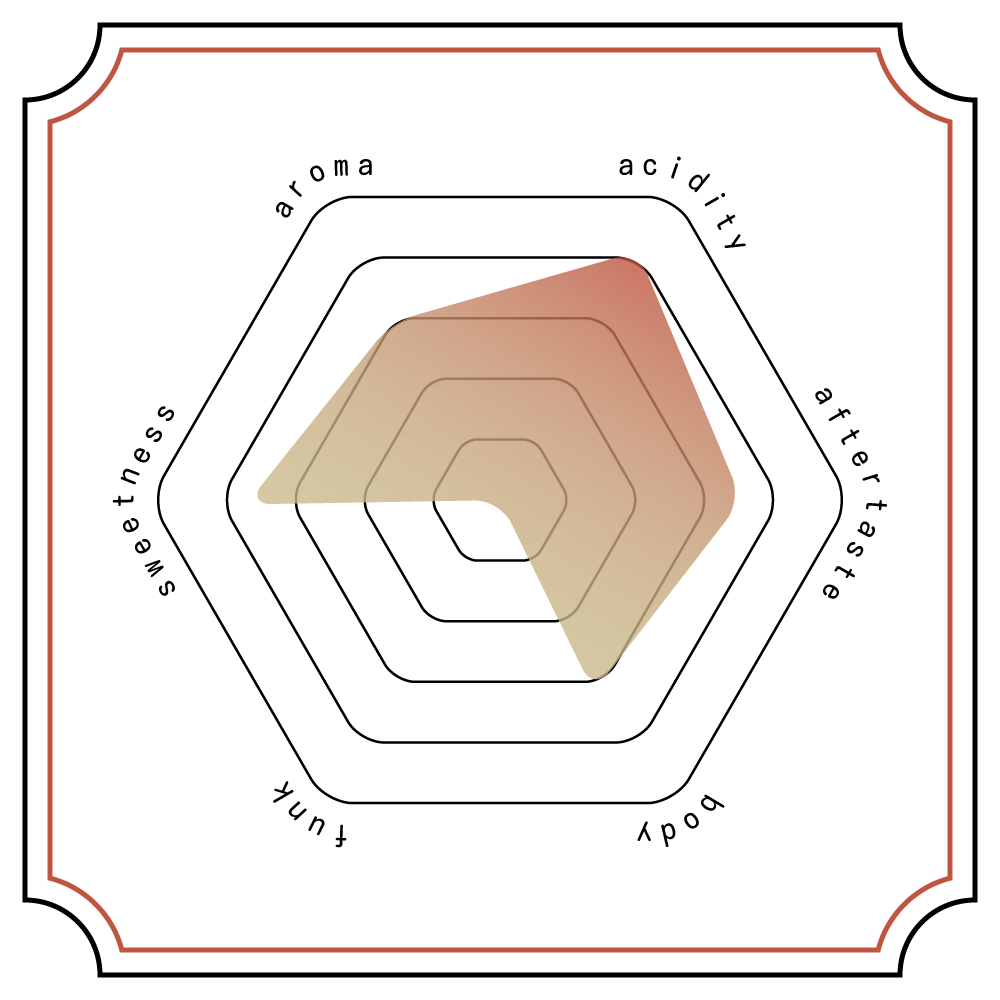
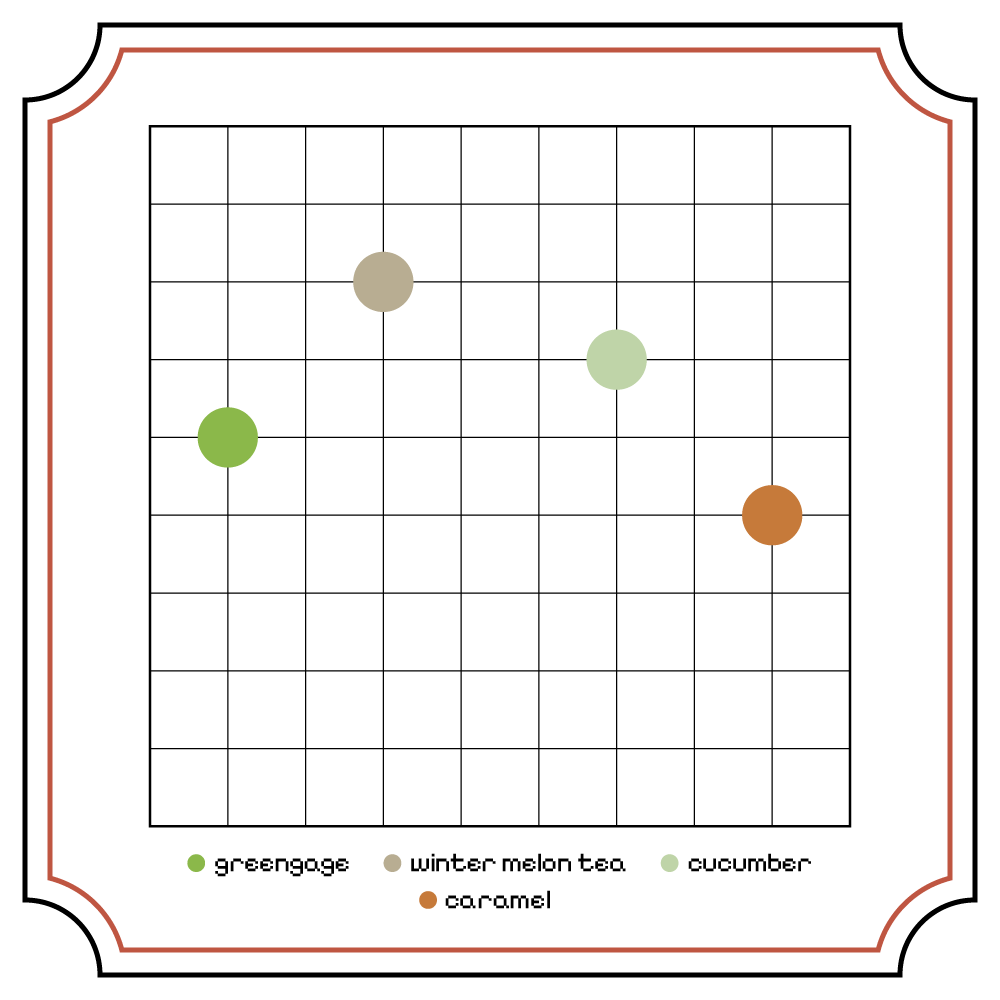
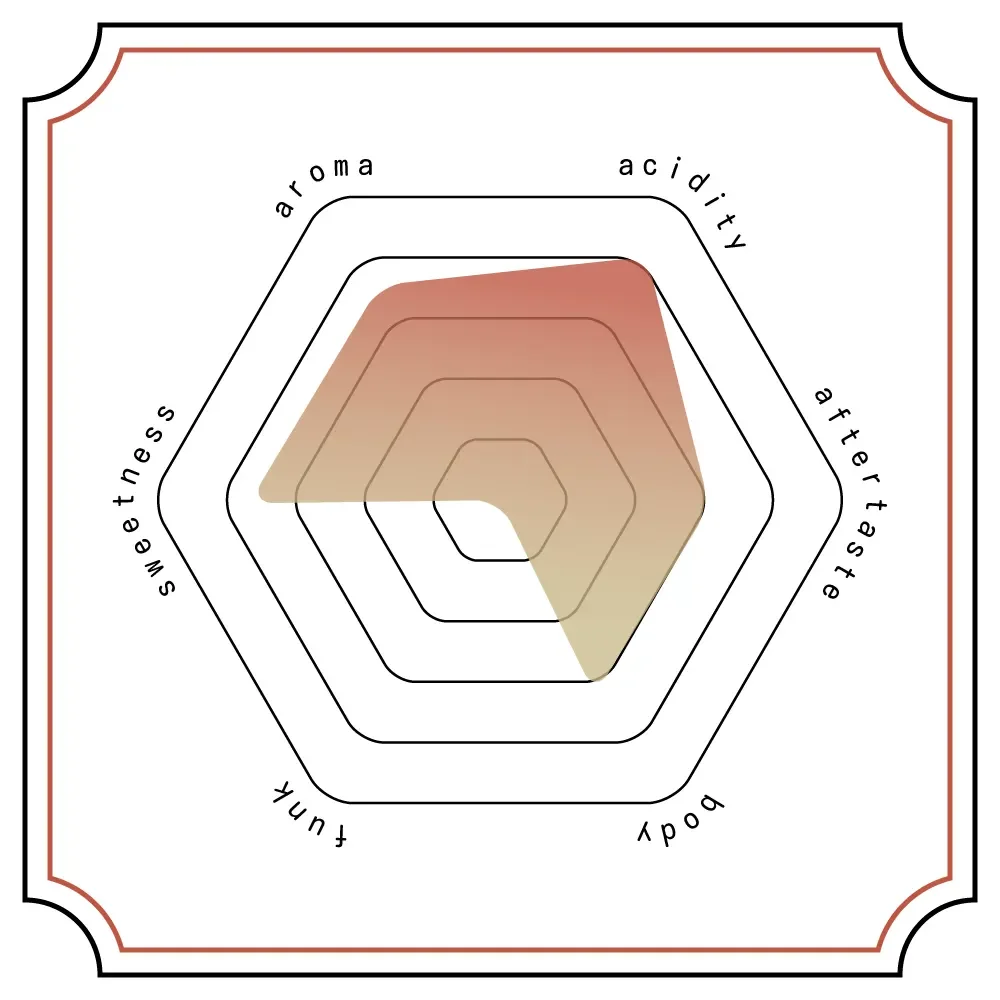
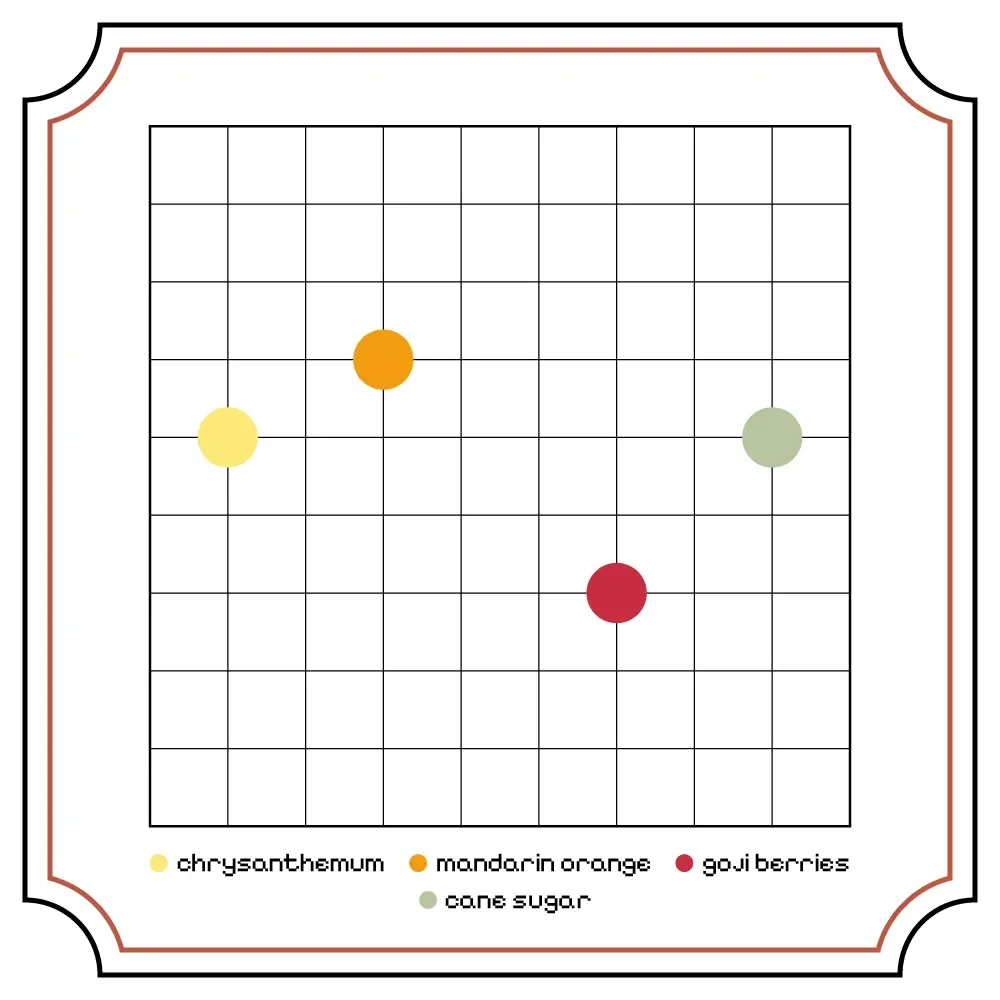
Tasting Notes: Honeysuckle, tangerine, light molasses
Fragrance (Dry): Soft white-yellow florals, citrus
Aroma (Wet): Sweet potato, honeyed sweetness
Acidity: Rounded, citric
Body: Juicy
Aftertaste: Cloying sweetness of light molassesAn expressive cup built around sweetness and texture, balancing soft florals with dense, syrup-like depth.
Dry fragrance presents delicate white-yellow florals alongside gentle citrus, before the wet aroma deepens into notes of sweet potato and honeyed sweetness. Honeysuckle leads clearly on first impression, offering a soft floral character that feels warm rather than overtly perfumed.
The cup moves quickly into a tangerine-driven mid palate, where rounded citric acidity provides structure without sharpness. The acidity feels integrated and supple, contributing brightness while allowing the coffee’s heavier sweetness to remain central. A juicy body gives the profile momentum, carrying the citrus and floral elements with ease.
As the cup cools, sweetness increasingly takes hold. Notes of light molasses emerge gradually before settling firmly into the finish, lending a slightly cloying, syrup-coated character that lingers well after the final sip. The result is a profile that feels simultaneously bright and saturated, with florality and citrus framed by a persistent caramelised sweetness.
-
Ratio: 1:13
Grind size: Medium
Total brew time: Approx 2’30”1. Start with 15g grounds
2. Add 45g water and allow to bloom for 60s
3. Continue with 1 spiral pour (~7.5g/s) of 90g when bed is almost dry
4. Finish up with 1 center pour of 60g -
The Mountain Water decaffeination process is a chemical-free, environmentally friendly method developed in Mexico that uses glacier water from the Pico de Orizaba mountain to remove caffeine.
Decaffeination: Mountain Water (aka Swiss Water)
Bean Preparation and Soaking: Green (unroasted) coffee beans are cleaned and soaked in pure, glacial water. This process uses heat, pressure, and vacuum to create a "green coffee extract" (GCE) by dissolving the caffeine and flavor components out of the beans.
Caffeine Filtration: The resulting caffeine-rich water is separated from the beans and passed through specialized activated carbon filters. These filters selectively trap only the caffeine molecules while leaving behind the flavor-saturated water (the GCE).
Re-hydration (Caffeine Removal): The initial batch of beans, now depleted of flavor and caffeine, is discarded. Fresh green coffee beans are submerged in the flavor-charged, caffeine-free GCE.
Osmosis and Equilibrium: Because the water is already saturated with coffee flavor compounds but has no caffeine, only the caffeine migrates from the new beans into the water.
Drying and Finishing: Once the beans are 99.9% caffeine-free, they are removed, dried to their original moisture content, polished to remove residue, and packaged.
-
Sourced from: Coffee Libre
We paid: S$28.80/kg -
Moisture content: 12.0%
Weight loss: 10.4%
Agtron: W74.7 / G120.0 / △45.3