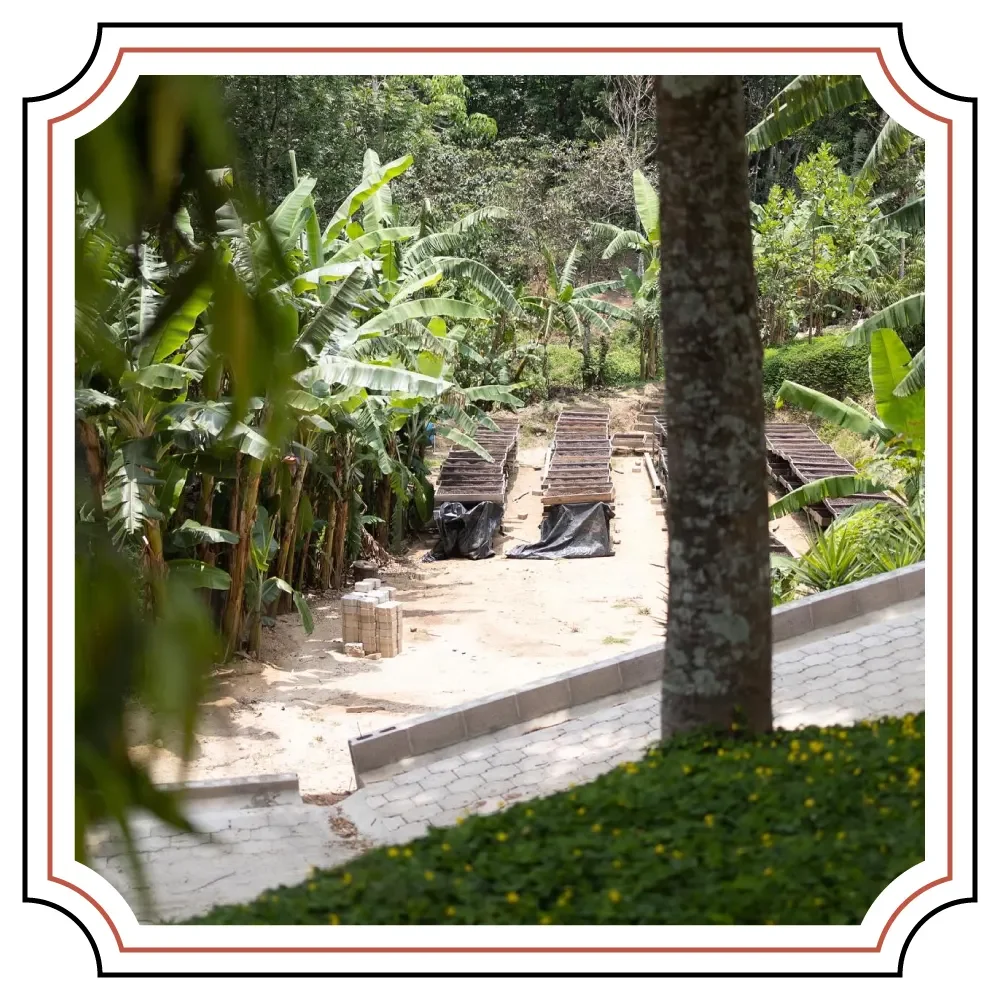
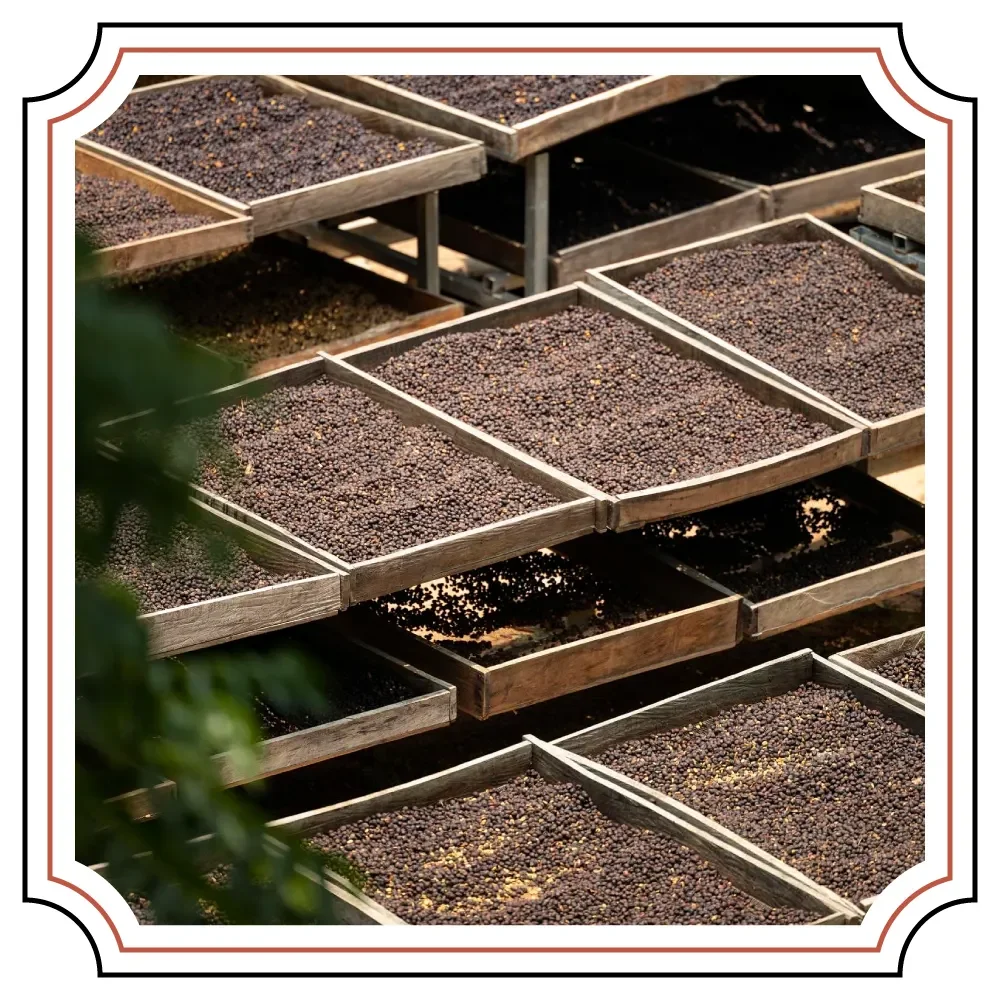
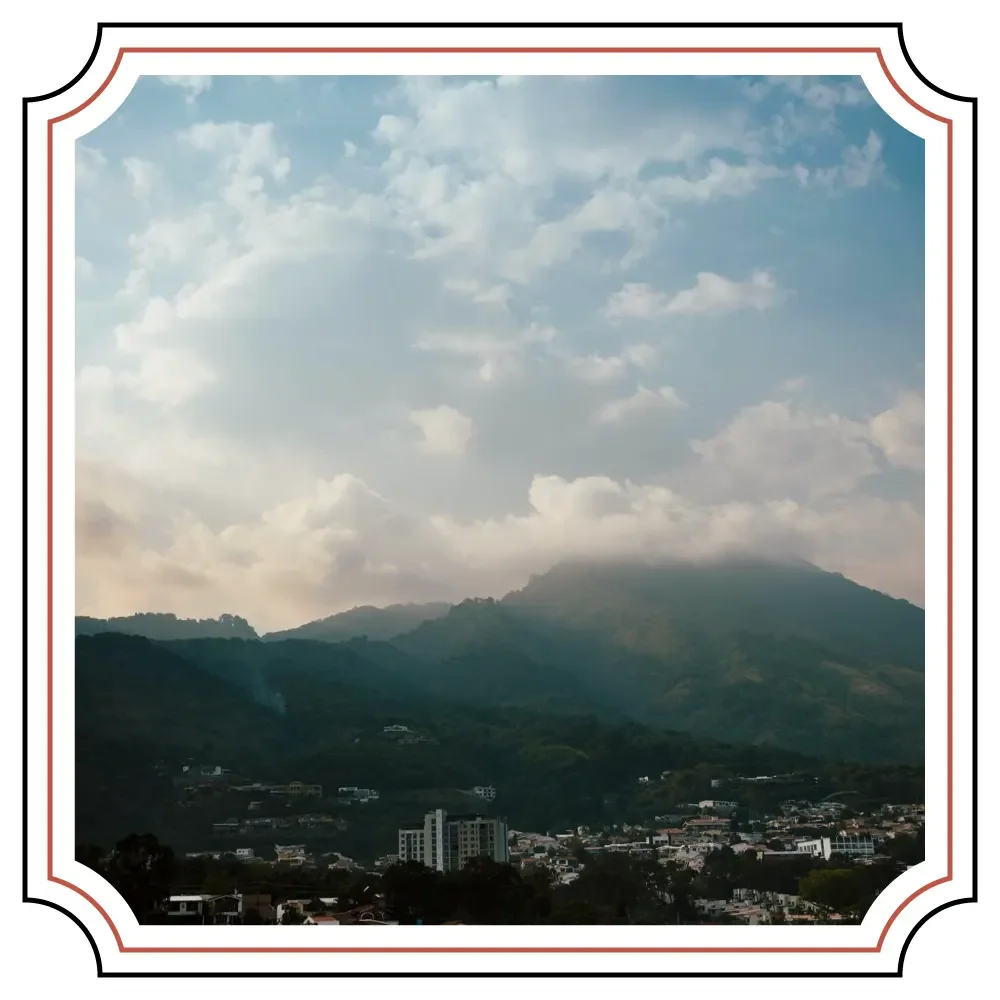
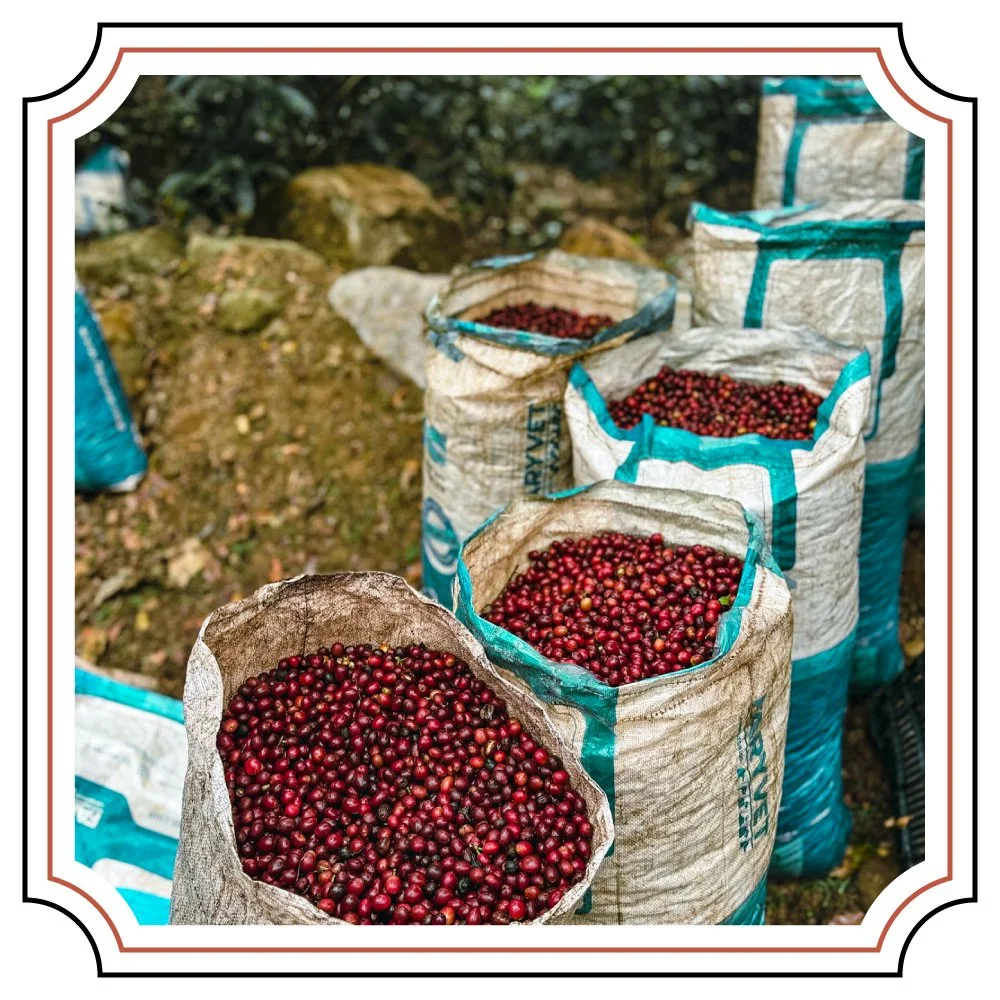
 Image 1 of 3
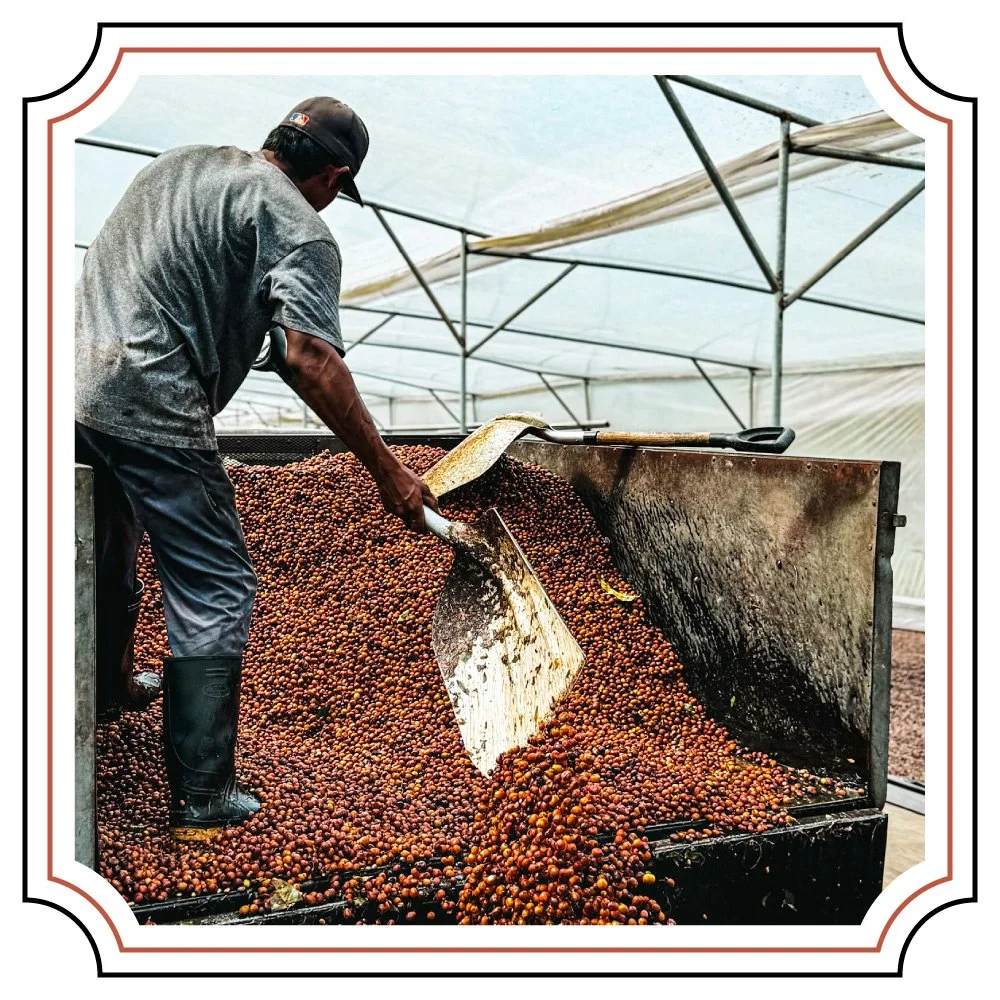
 Image 2 of 3
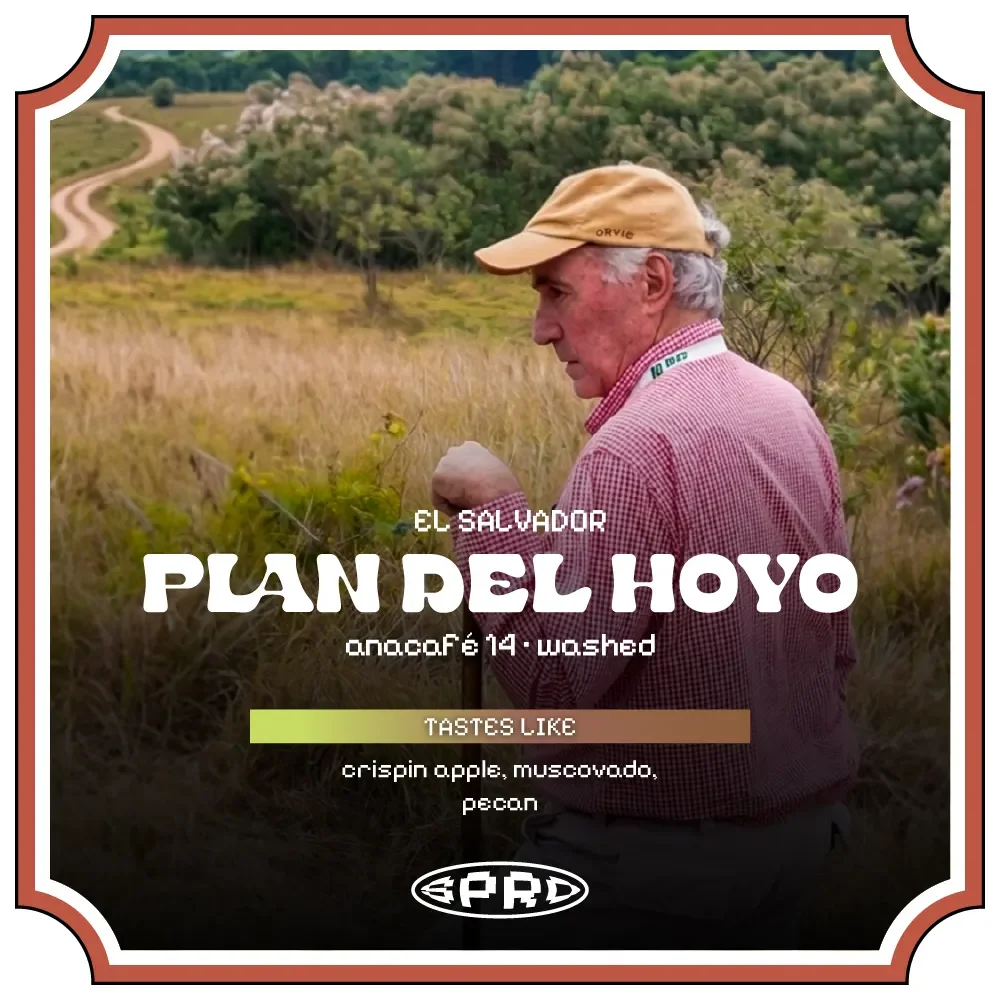
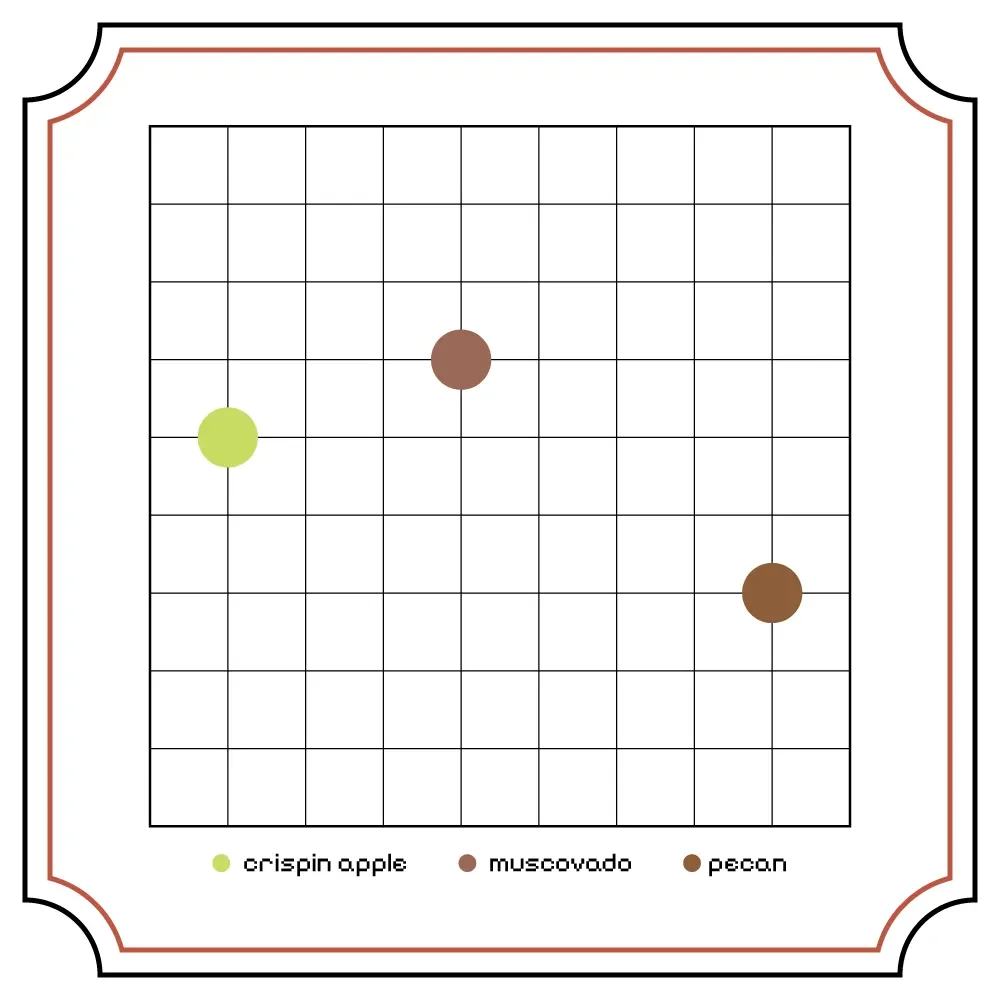 Image 3 of 3
-
Region: Apaneca, Ilamatepec
Producer: Francisco R.R. de Sola
Cultivar: Anacafé 14
Process: Fully Washed
Elevation: 1760 maslRoast level: Very light
Roasted for: Espresso + Milk-Based
Rec. rest: 14 days
Net weight: 150g -
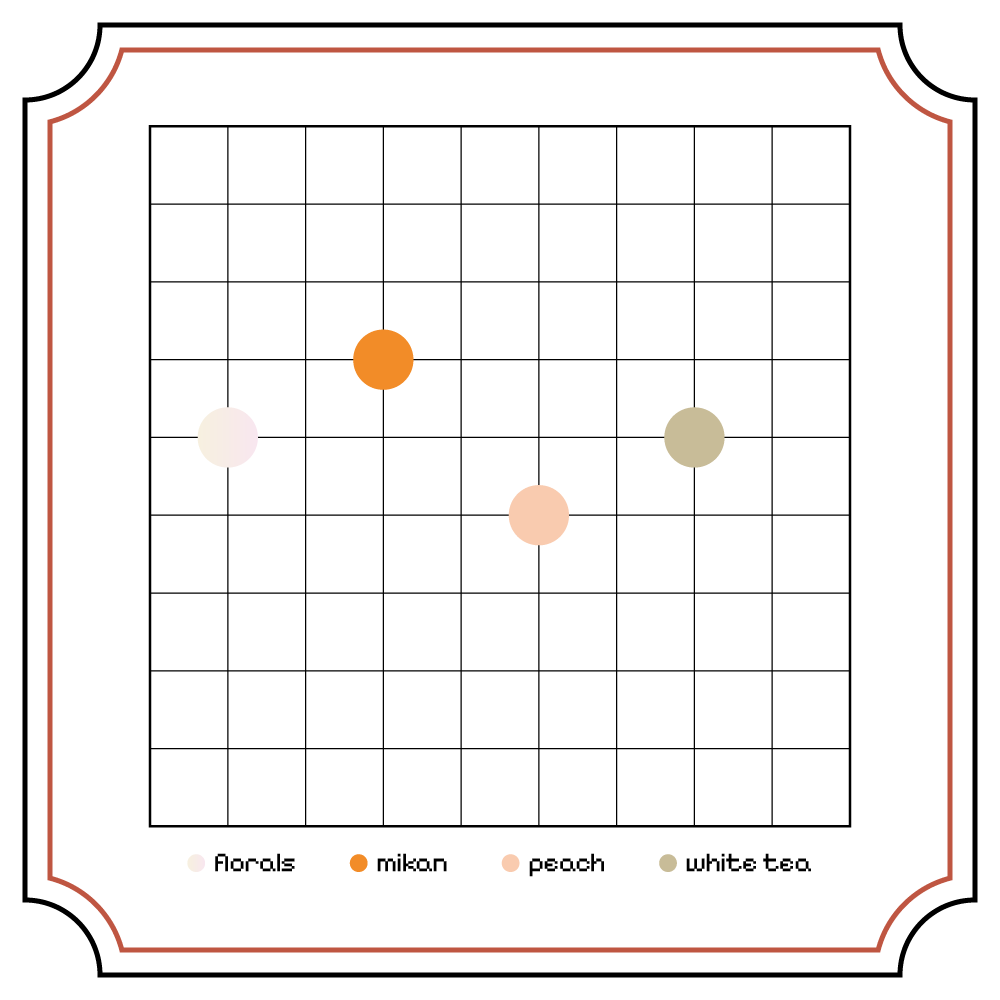
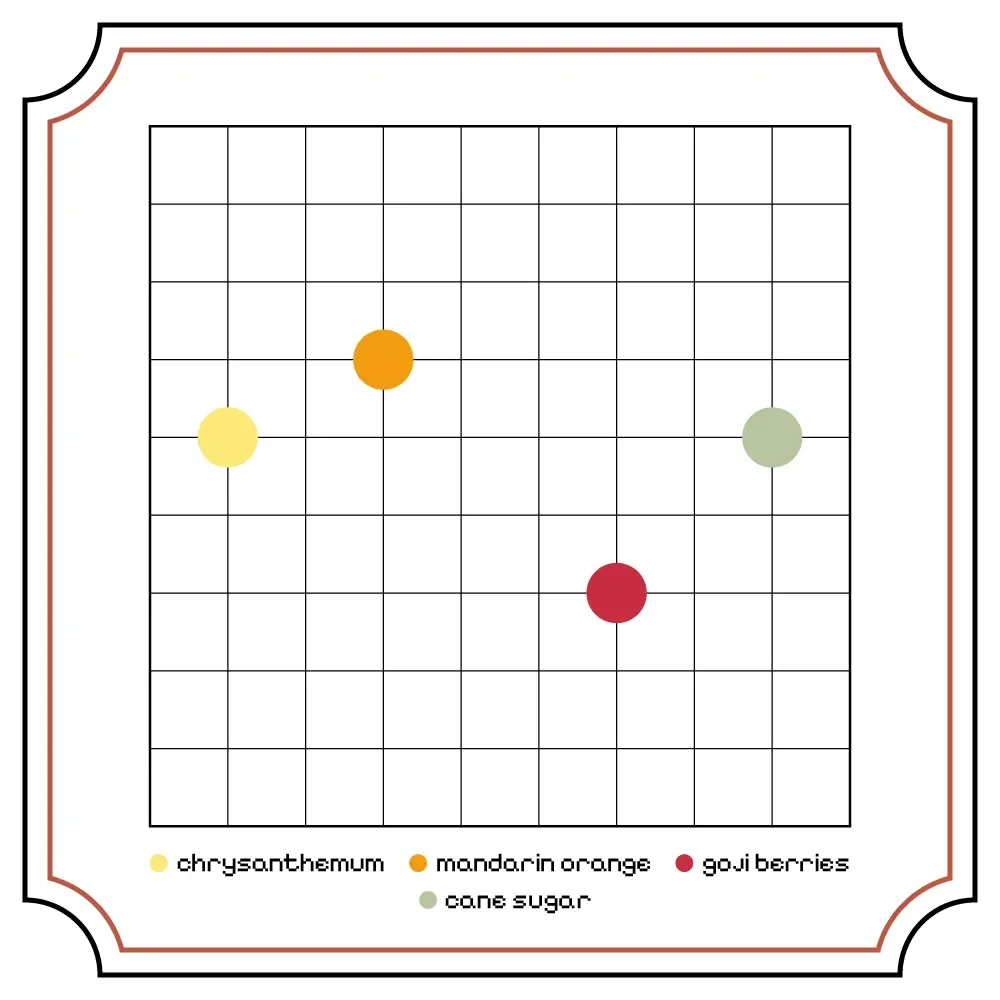
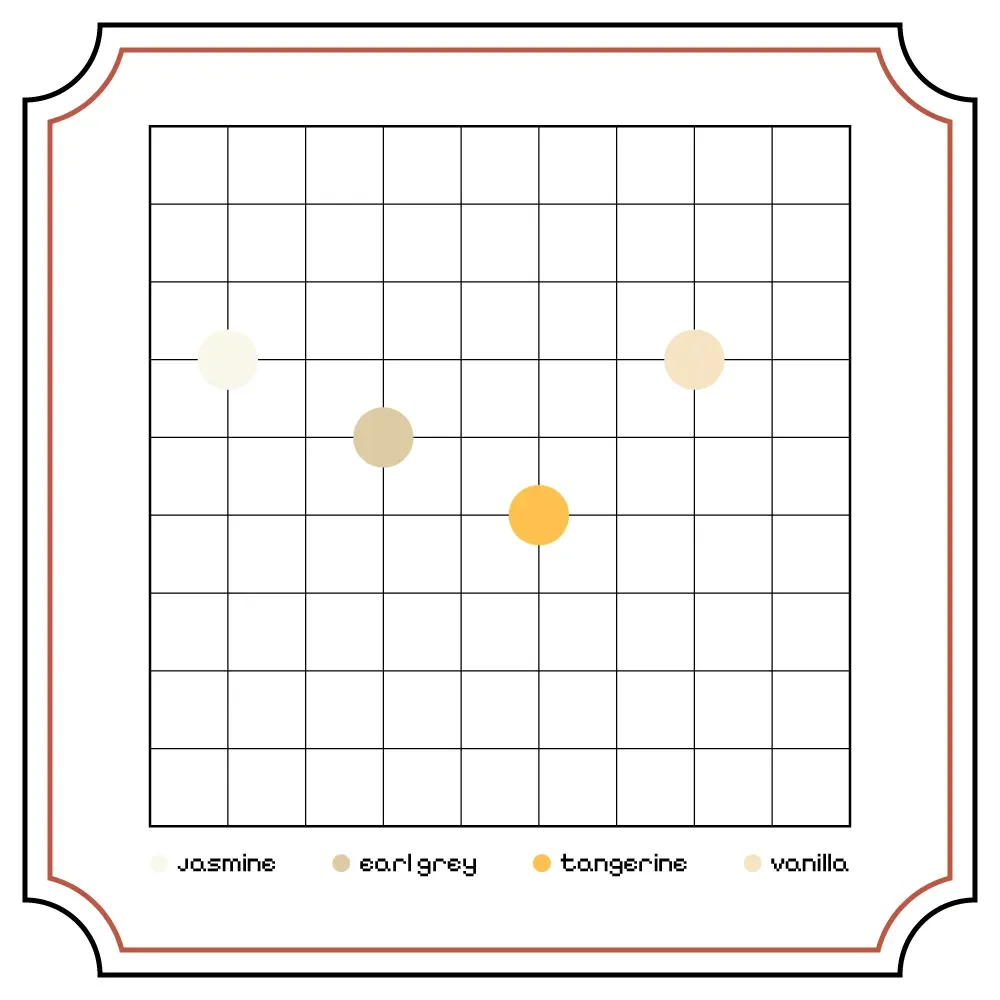
Tasting Notes: Crispin apple, muscovado sugar, pecan
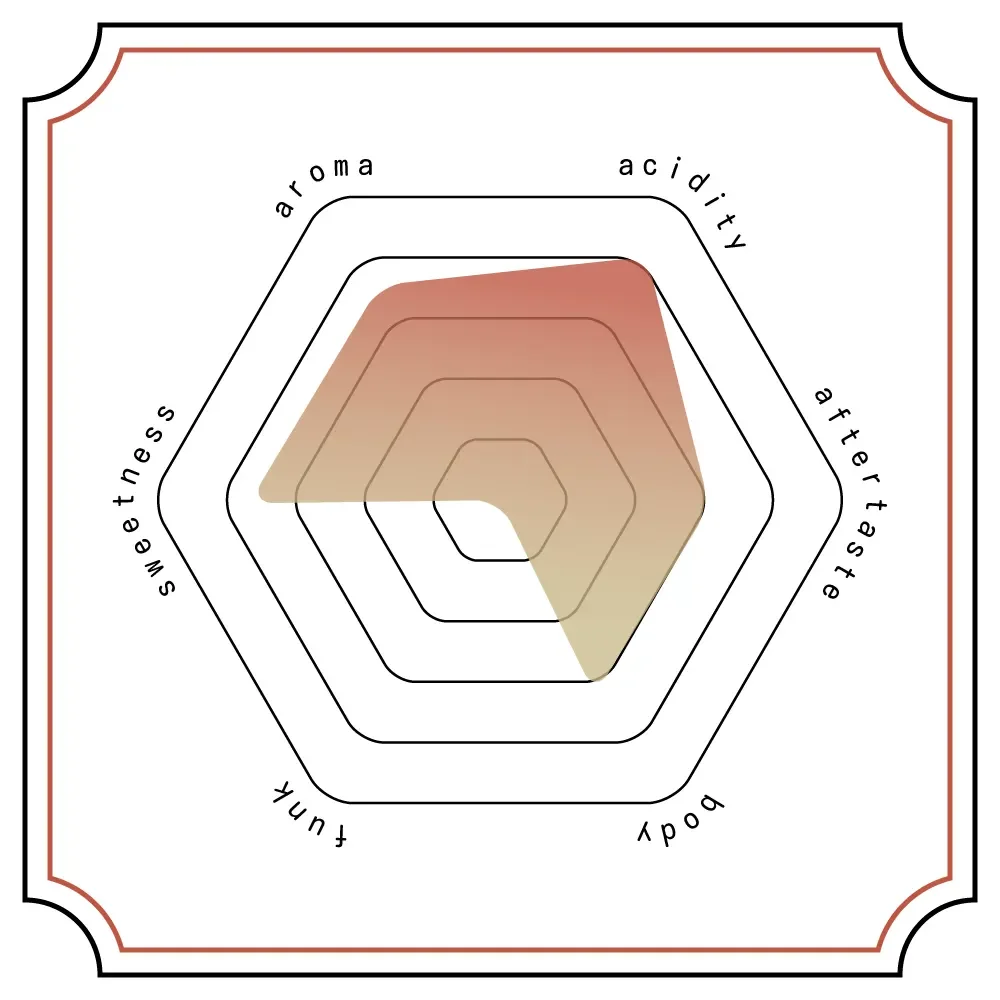
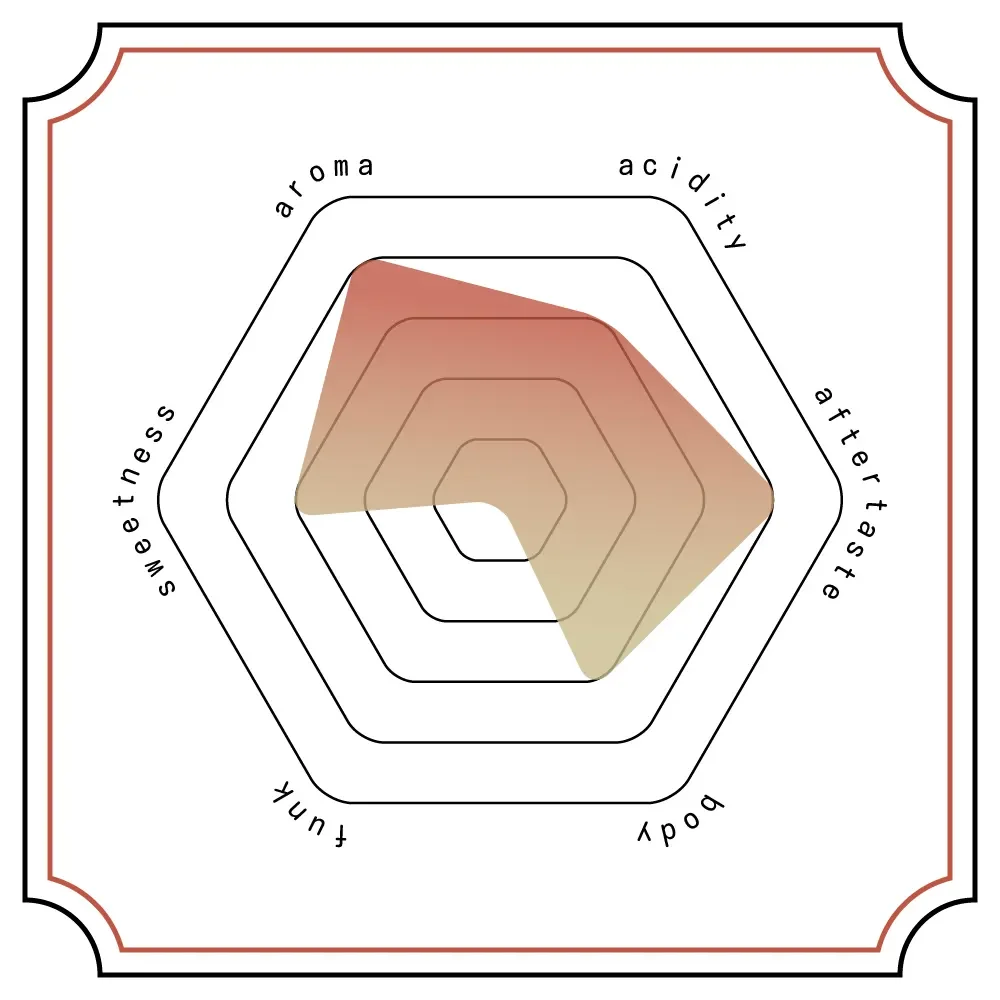
Fragrance/Aroma: Malic, milk chocolate
Acidity: Malic, structured
Body: Syrupy
Aftertaste: Honeyed, tongue-coatingThe fragrance opens with a clear malic lift, reminiscent of fresh apple, supported by a soft milk-chocolate undertone. On the palate, the cup begins with the crisp sweetness of Crispin apple, driven by a structured malic acidity that provides clarity without excessive sharpness.
As the cup develops, the profile settles into its core: a dense, muscovado sugar sweetness. This forms the foundation of the mid-palate, bringing notes of caramelized sugar with faint molasses-like depth and a subtle hint of smokiness. The body is distinctly syrupy, lending weight and cohesion while allowing the sweetness to fully saturate the palate. A light pecan nuance emerges toward the back, adding a gentle nutty complexity without lingering.
The finish is long and coating, defined by a honeyed sweetness that clings to the palate. The overall impression is structured yet rounded, anchored by apple-driven acidity and carried through by deep, sugar-browning sweetness and a viscous, composed texture.
-
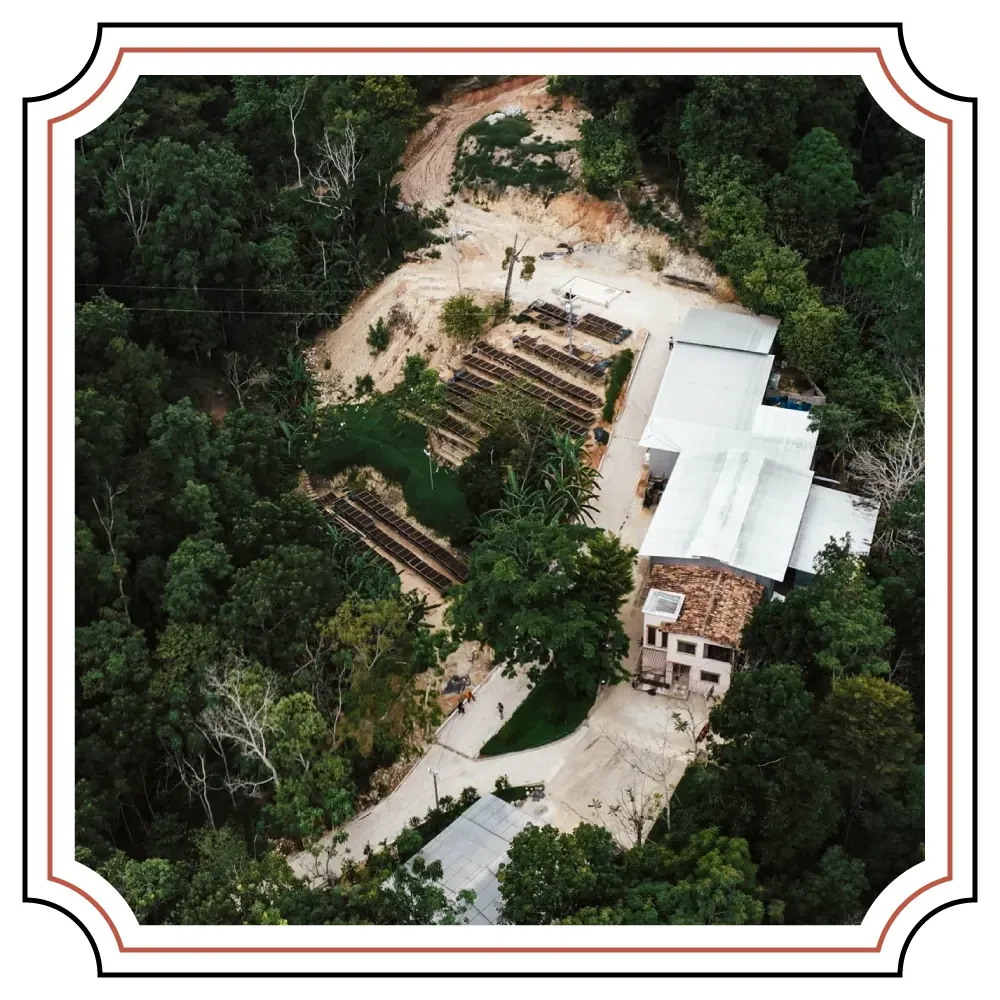
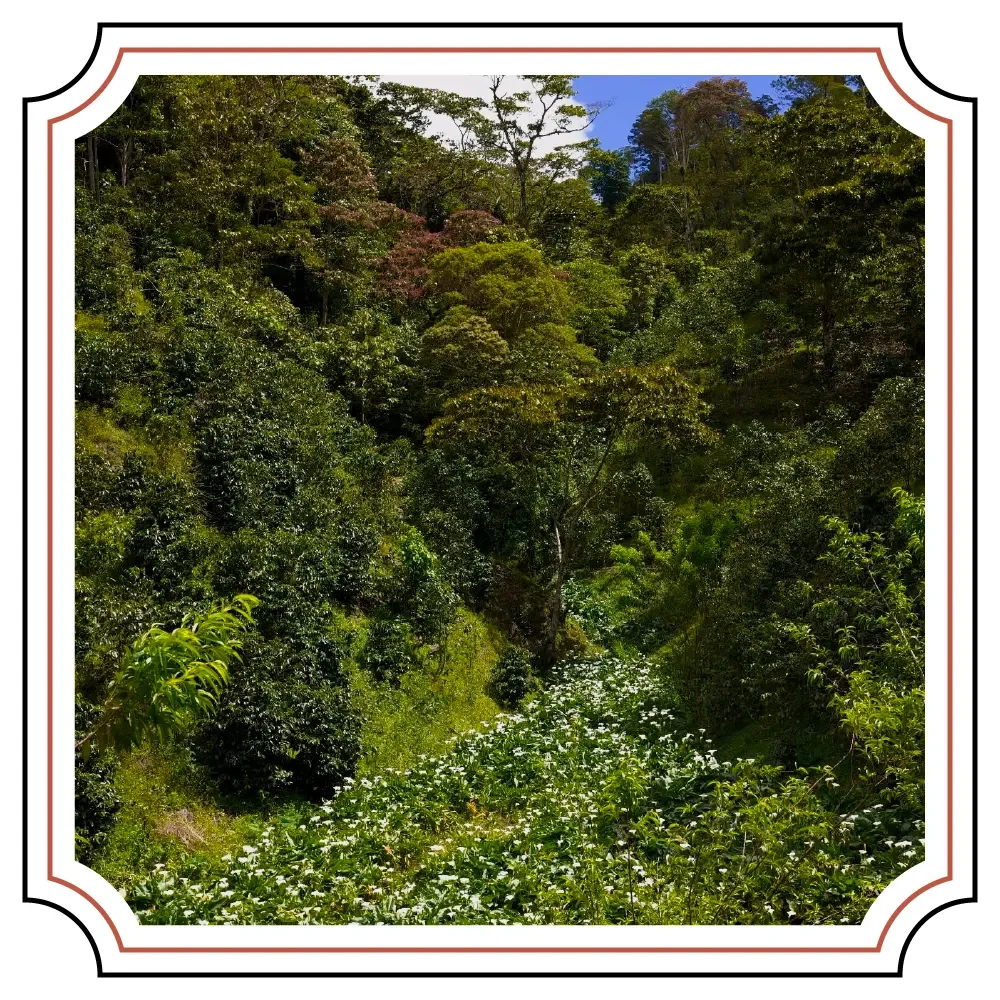
Plan del Hoyo was first acquired in 1953 by Don Francisco de Sola, a businessman and agricultural experimenter, located in the Santa Ana volcano's ancient crater within the Apaneca Ilamatepec mountain range. Originally cultivated with diverse crops suited to its 1,760 meter elevation, the 90-hectare estate remained protected from winds and developed into a forested haven with exceptional natural beauty. However, when civil war broke out in El Salvador in 1980, his children and current owners of the farm, Francisco R.R. and Susana, were forced to sell the cattle and leave. Once the peace accords were signed, Francisco took leadership of the farm and turned the focus to wood production.
However, it was not until 2015 that he recognized the opportunity to produce specialty coffees and began planting experimental lots with varieties including Kenya, Castillo, Anacafé 14, Geisha, and Catimor. This forward-thinking diversification reflects the investigative tradition established by his father. The farm also hosts variety gardens managed by the University of Texas with the Borlaug Institute and the Swiss firm Nestlé, demonstrating Francisco's commitment to research and collaboration at the cutting edge of coffee science.
A natural hybrid cross between a Catimor variety (Timor Hybrid 832/1 x Caturra) and Pacamara, Anacafé 14 was first discovered growing spontaneously around 1980 in Chiquimula, Guatemala and subsequently released as a rust-resistant variety in 2014 by Guatemala's National Coffee Association (ANACAFE). Representing a modern solution to agricultural challenges while maintaining cup quality, the cultivar is celebrated for its resilience, high yields, and adaptability to local conditions, particularly its resistance to coffee leaf rust, which devastated Central American coffee production in the early 2010s.
Despite its hardy genetics, Anacafé 14 produces a full-bodied and complex profile with layers of flavor beyond basic chocolate or nut notes, displaying floral and fruity aromas alongside sweetness. Francisco's selection of this hybrid exemplifies his vision for sustainable agriculture that balances farm resilience with exceptional cup quality.
-
Sourced from: MI Coffee
We paid: S$31.69/kg
Roasted cost: S$48.19/kg -
Moisture content: 11.9%
Weight loss: 14.4%
Agtron: W78.5 / G111.8 / △33.3