 Image 1 of 6
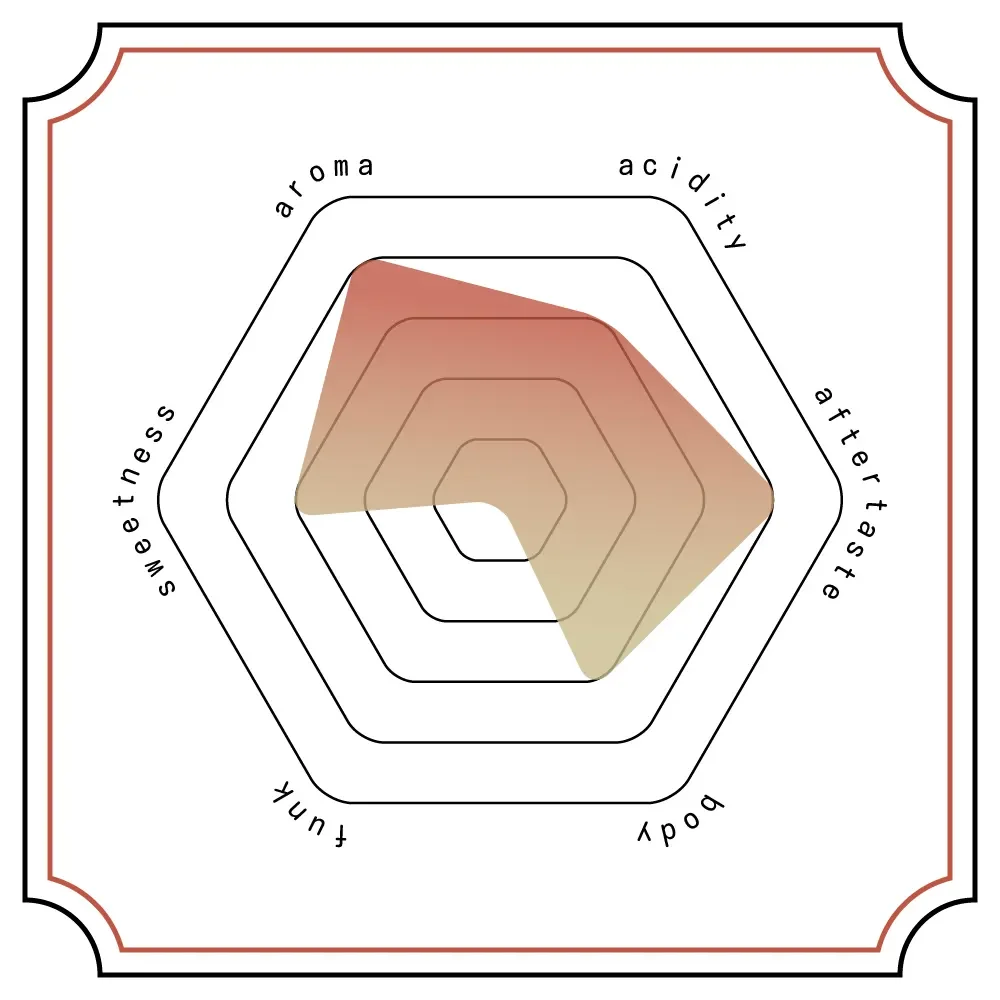 Image 2 of 6
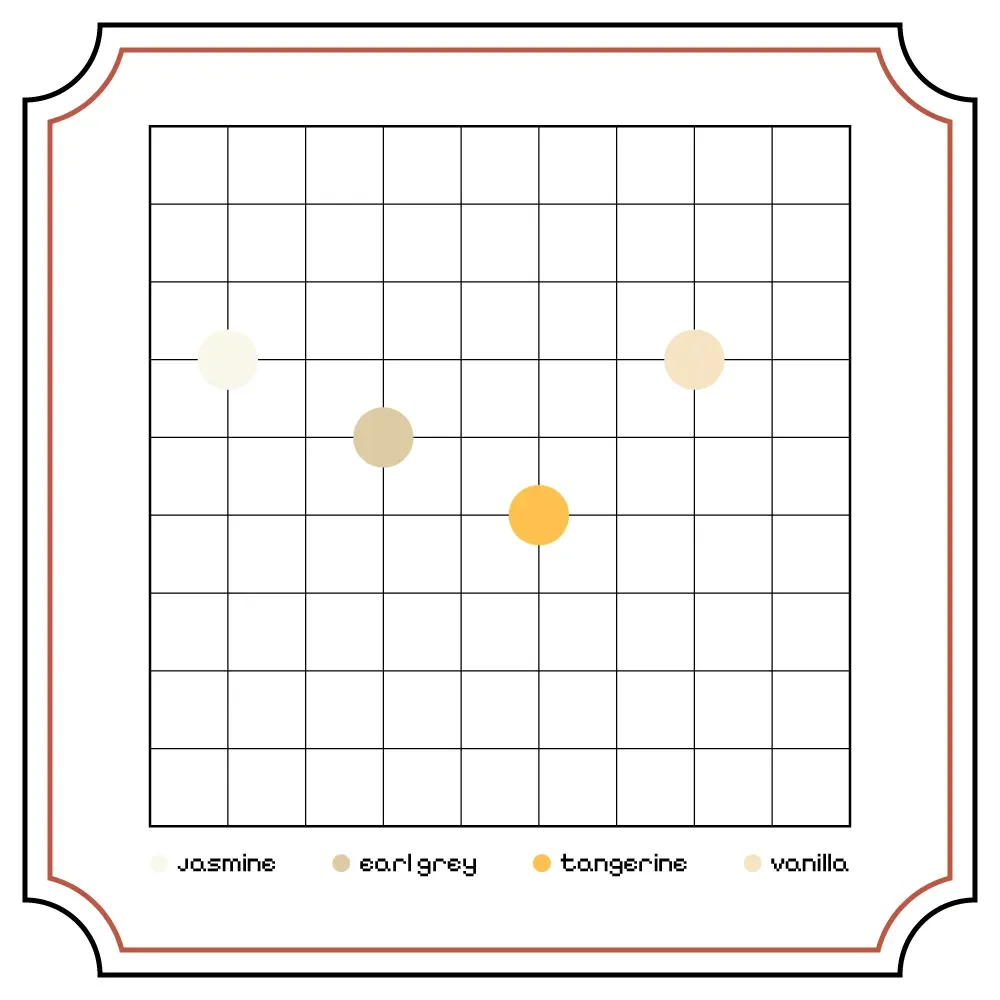 Image 3 of 6
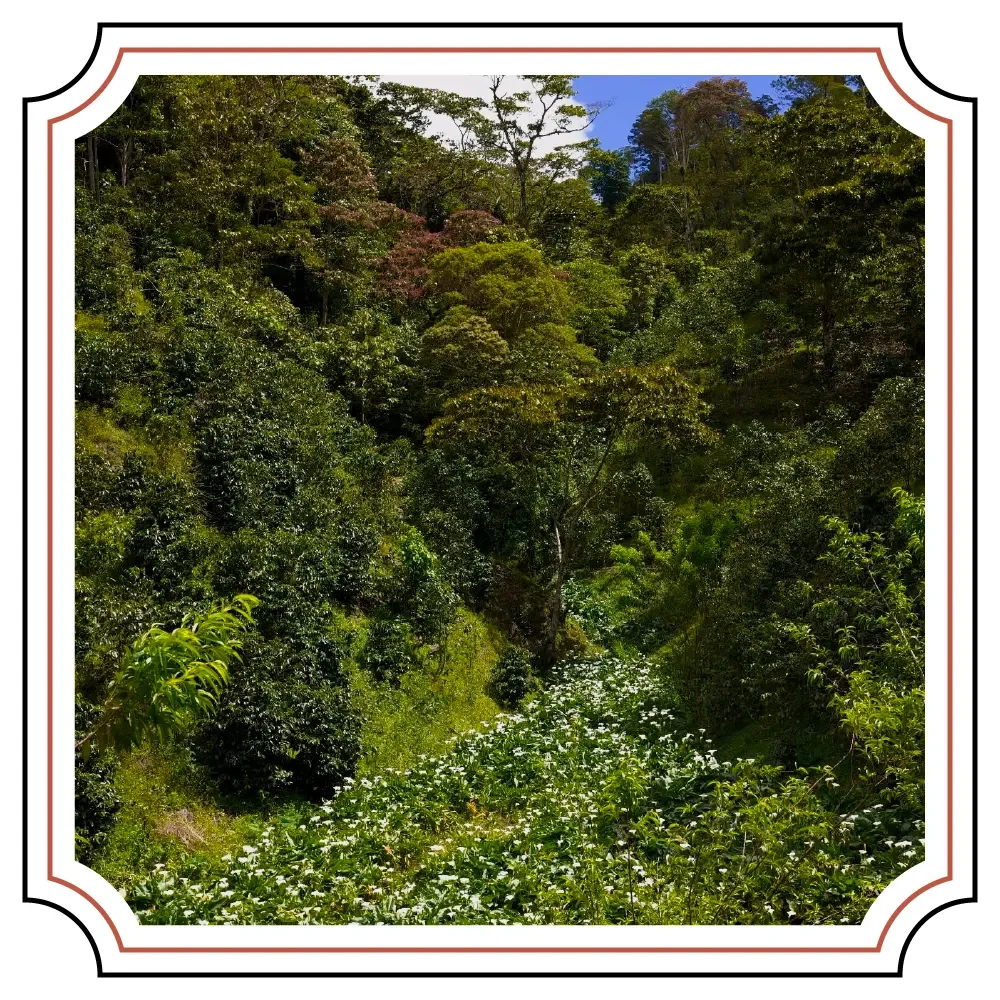 Image 4 of 6
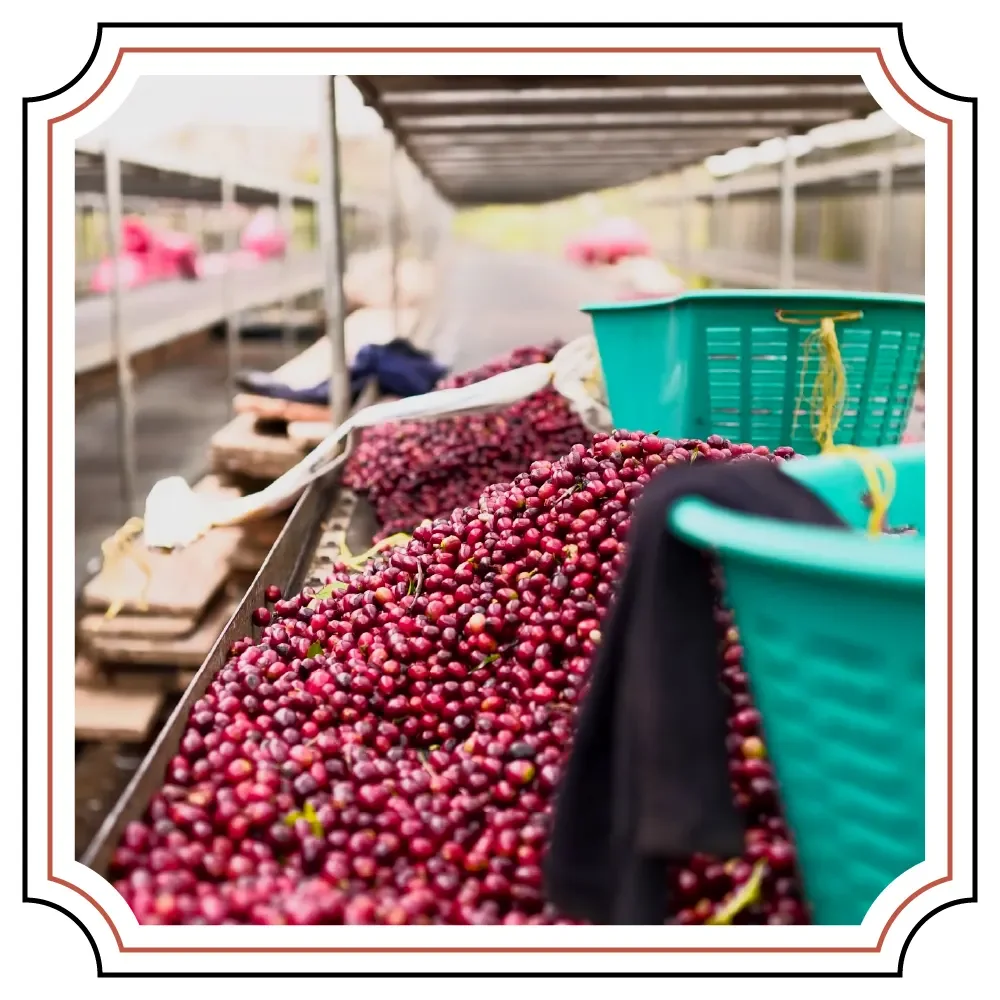 Image 5 of 6
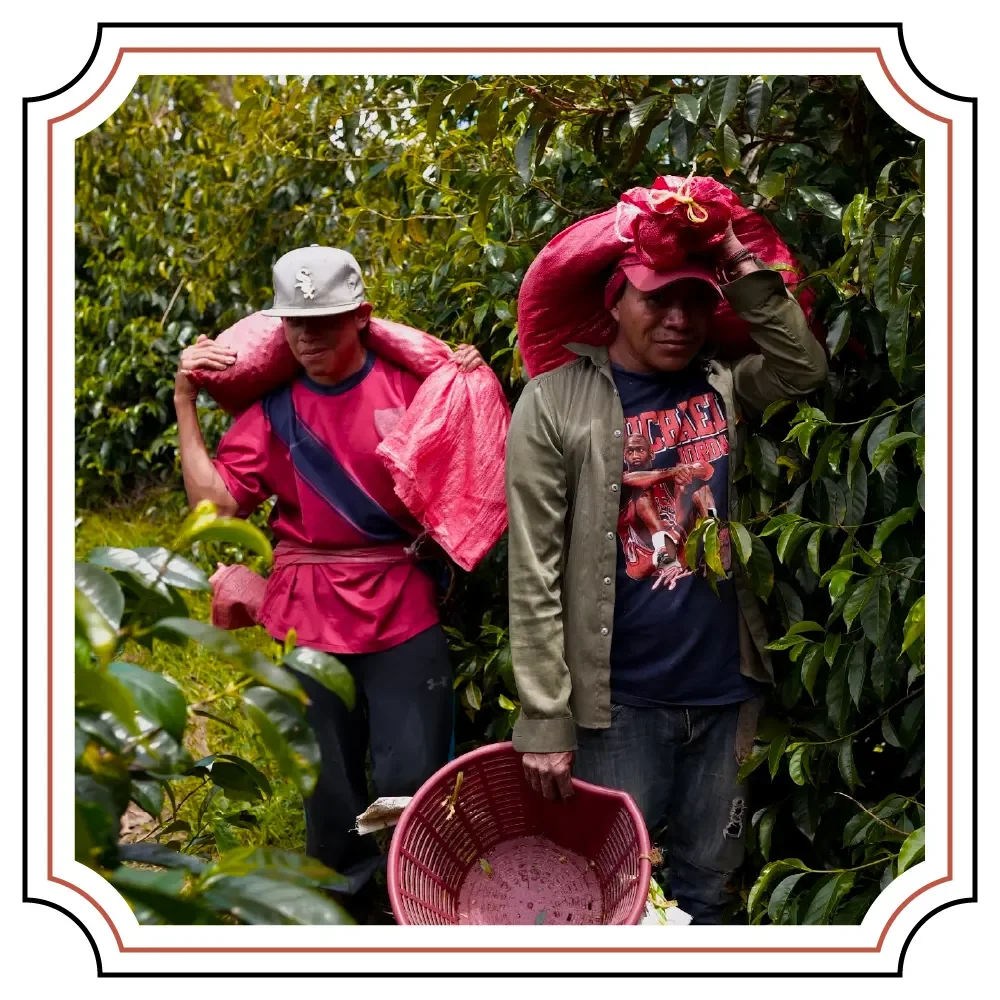 Image 6 of 6
-
Region: Mozonte, Nueva Segovia
Producer: Pil Hoon Seu
Cultivar: Batian
Process: Washed (El Laurel)
Elevation: 1570-1650 maslRoast level: Extremely light
Roasted for: Mod Spro + Filter
Rec. rest: 21 days
Net weight: 150g -
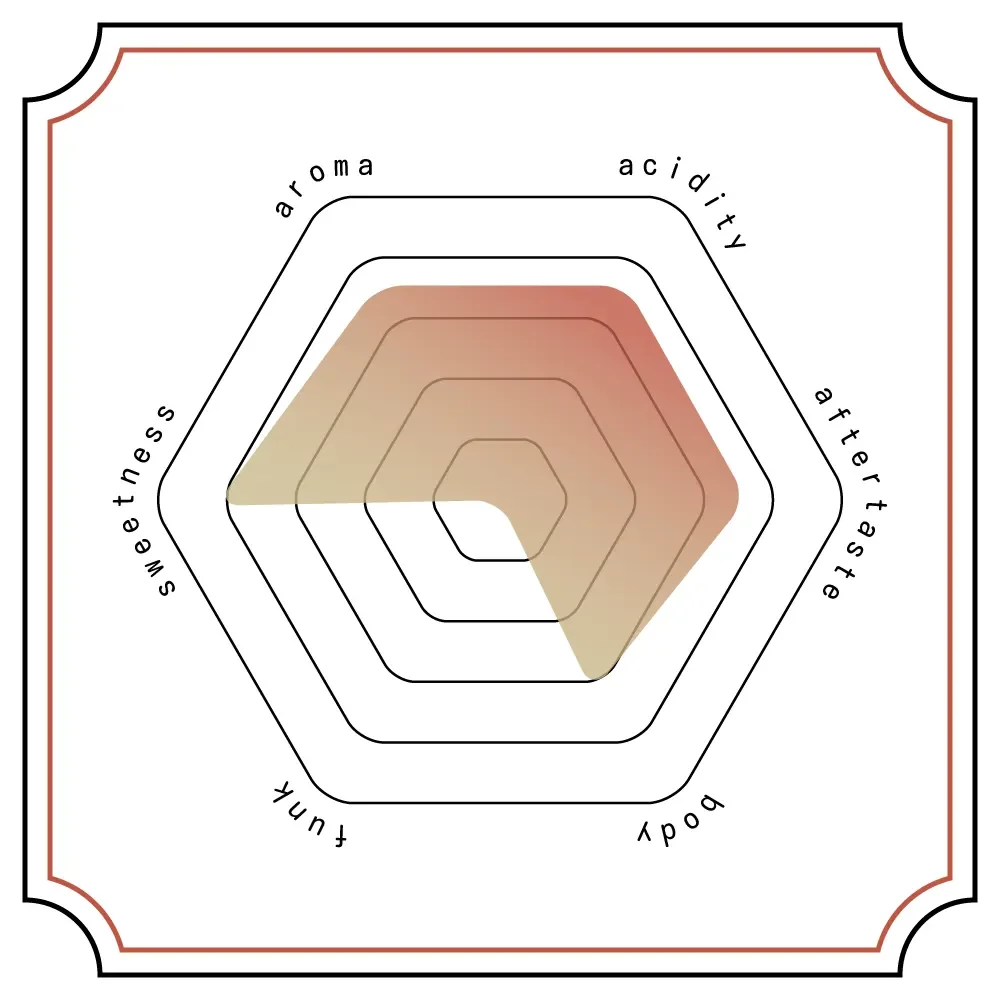
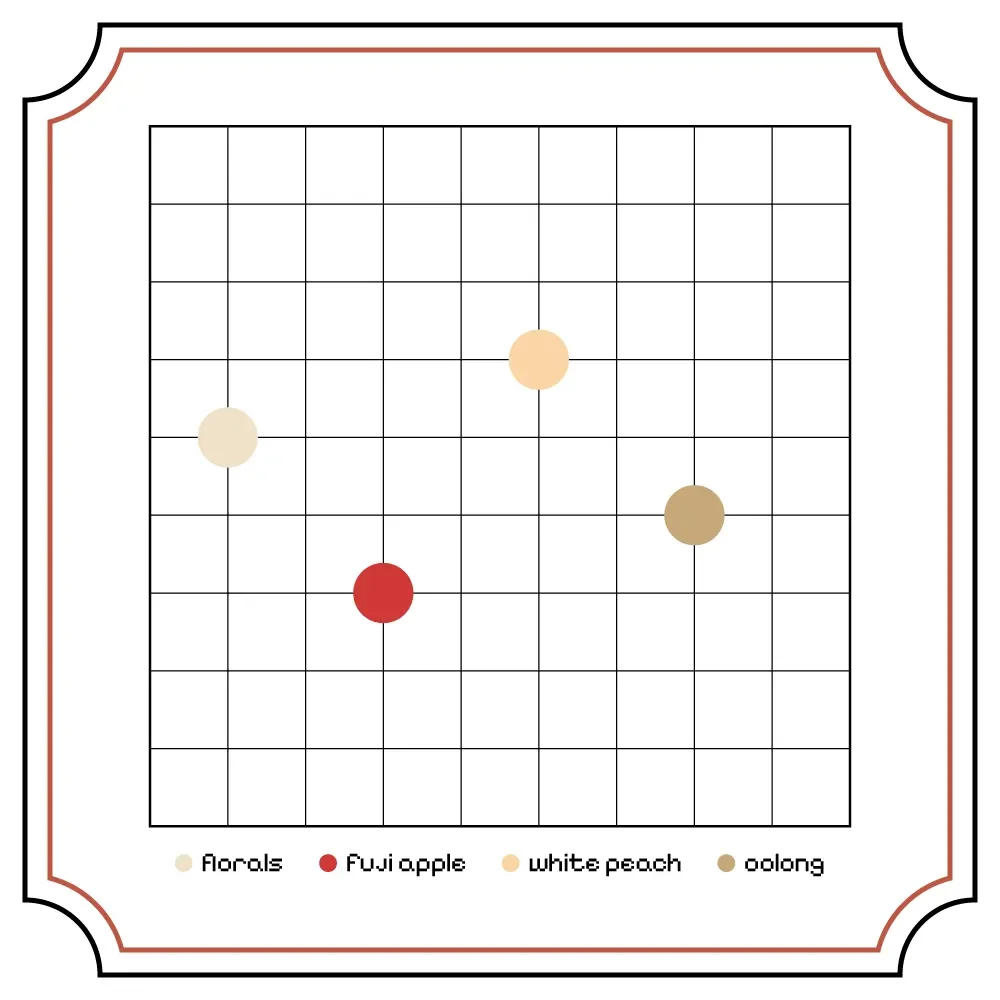
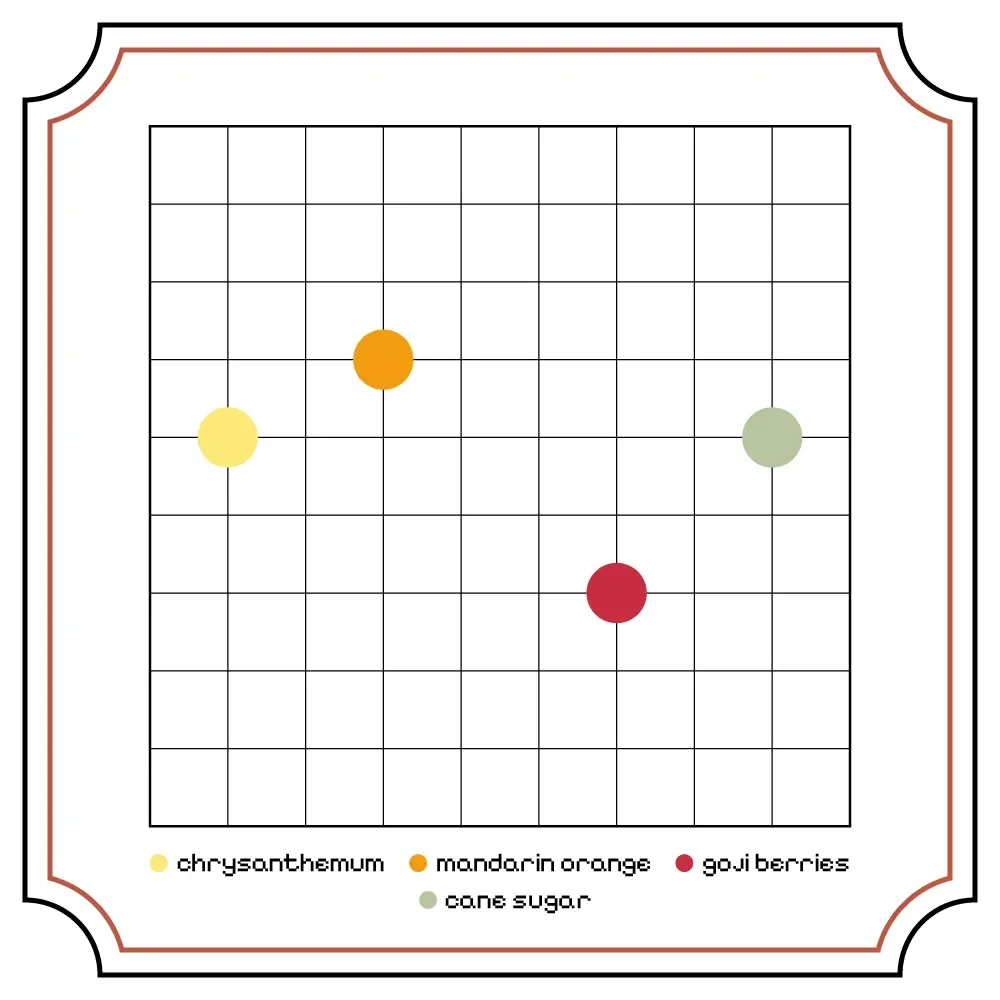
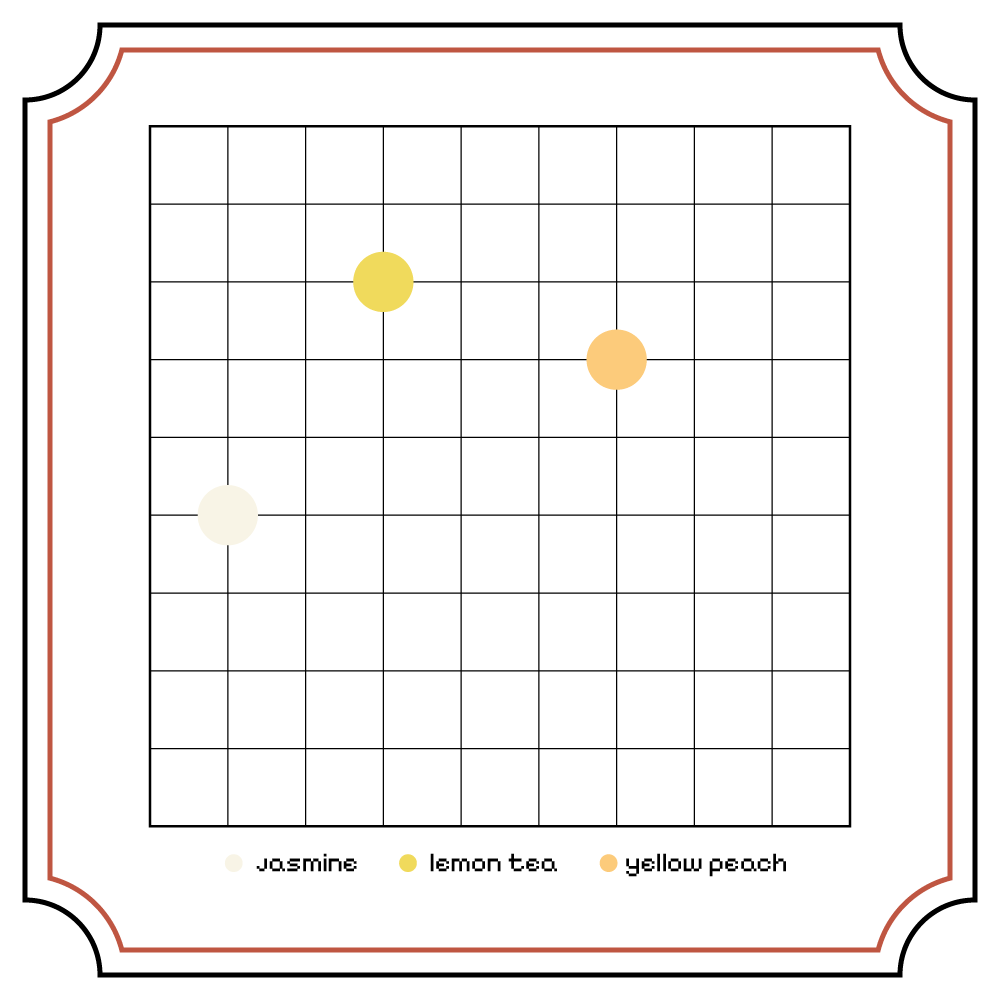
Tasting Notes: Jasmine, earl grey, tangerine, vanilla
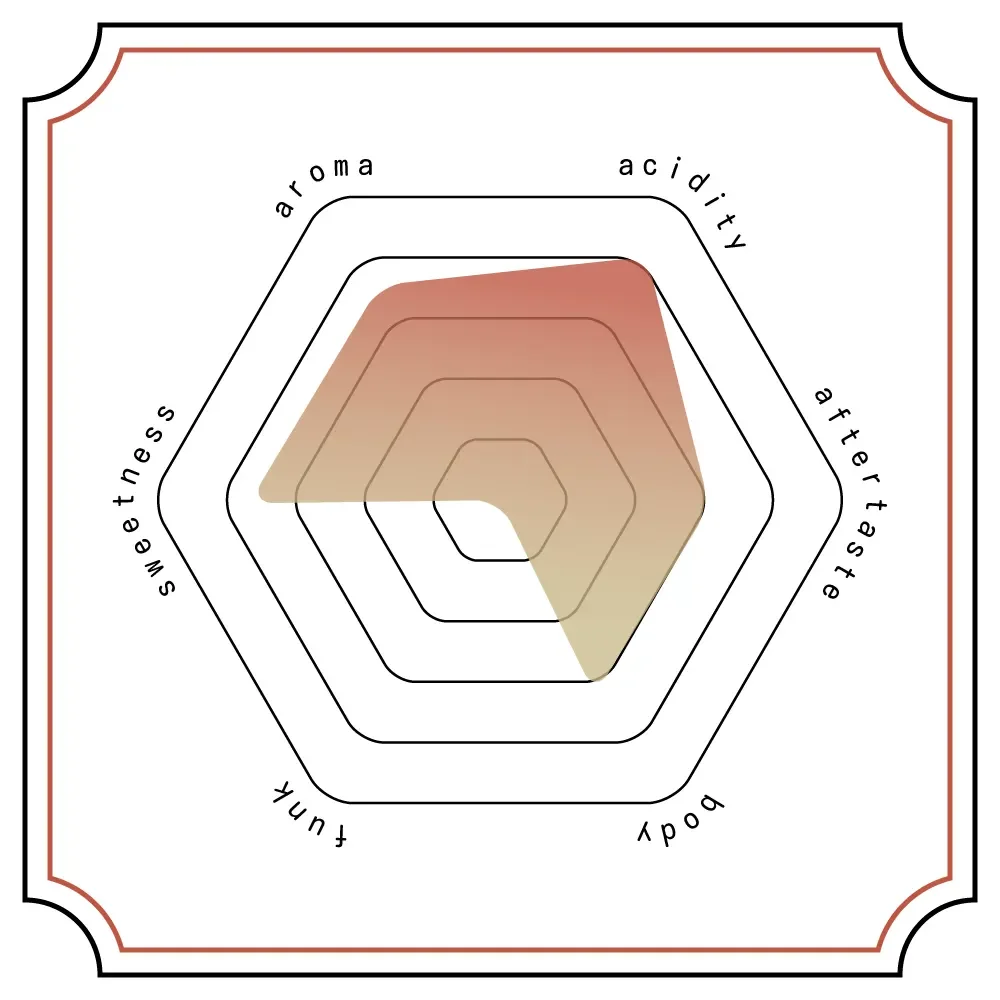
Fragrance/Aroma: Jasmine, citrus, vanilla
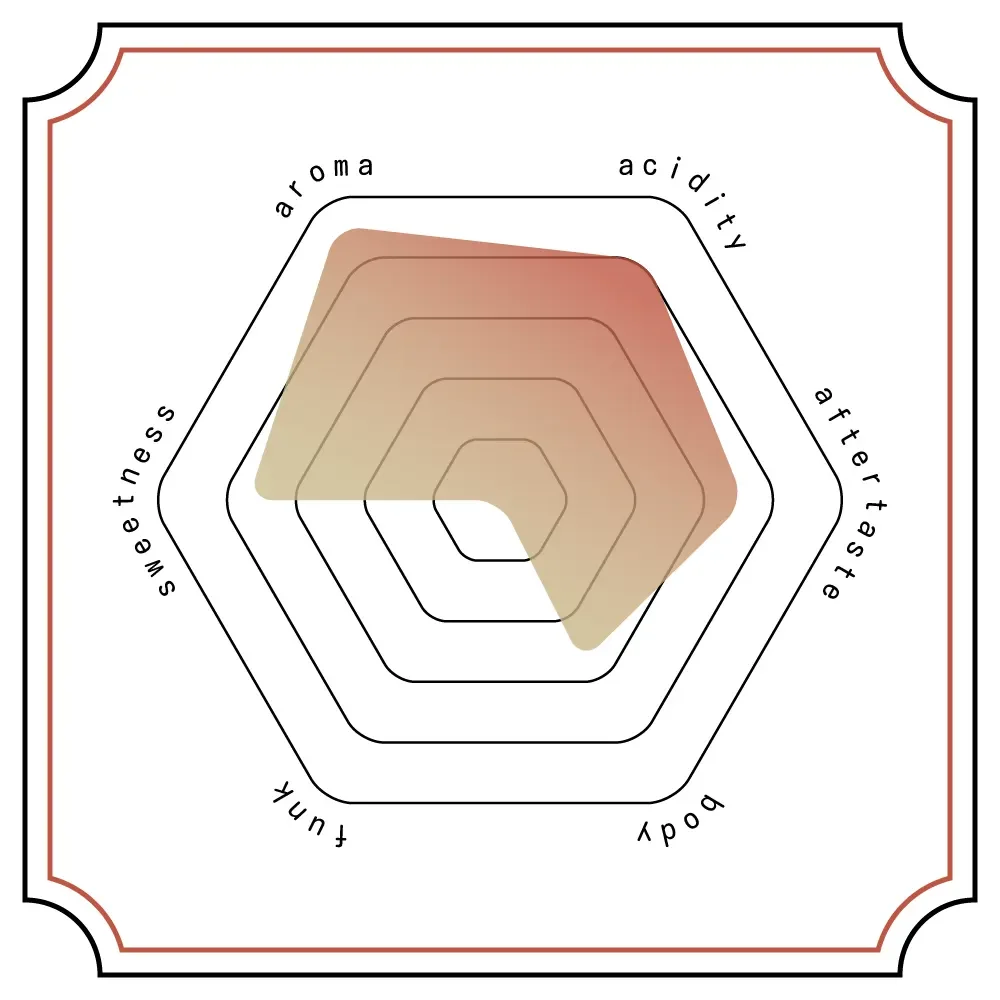
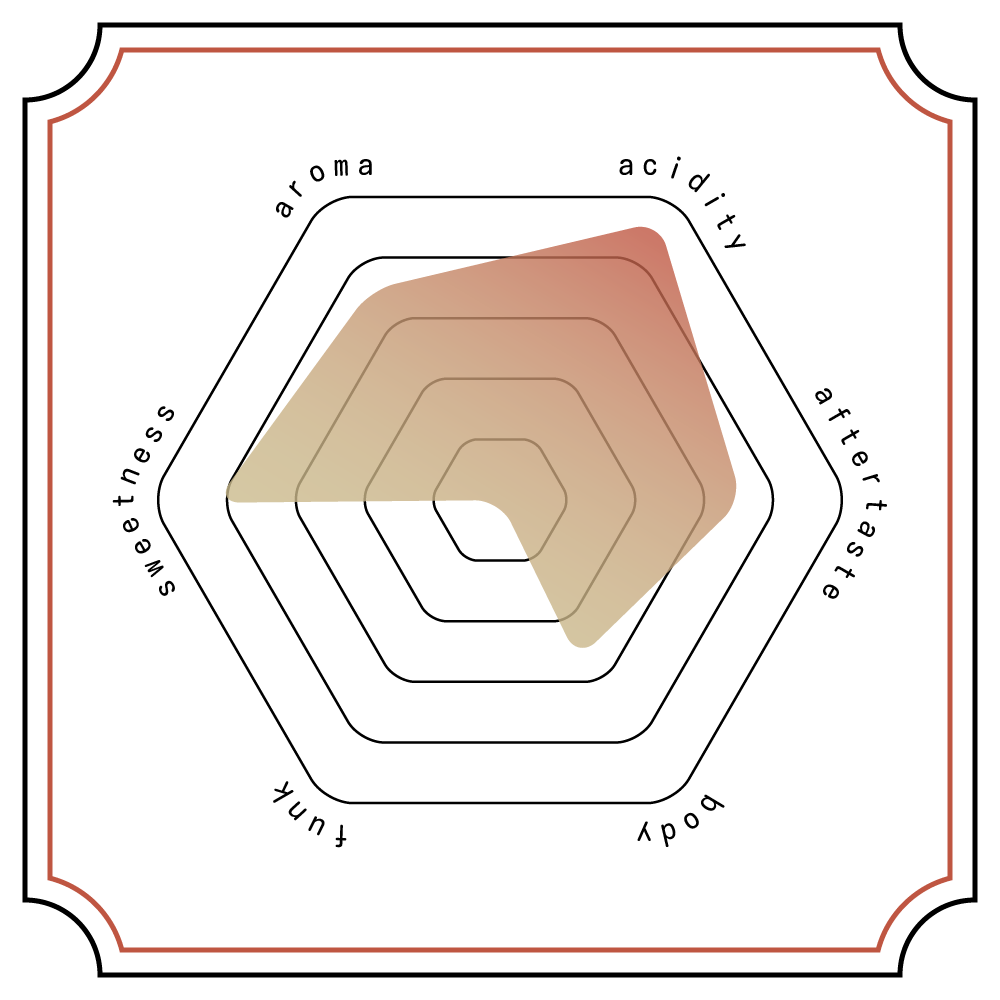
Acidity: Structured, citric
Body: Delicate, tea-like
Aftertaste: Lingering, sweet** floral maxxed **
A composed and aromatic cup that leans firmly into its tea-like elegance, anchored by clarity and restraint.The fragrance opens with pronounced jasmine, layered with soft citrus oils and a gentle vanilla sweetness. In the cup, jasmine continues to provide lift across the entire structure, acting as a high, floral throughline. The entry transitions seamlessly into notes reminiscent of earl grey, where bergamot-like citrus nuances integrate with the tea-like body.
Acidity is structured and citric, expressed through a tangerine-like profile that carries both brightness and a rounded sweetness. This mid-palate interplay bridges the floral top notes and the deeper, more grounded finish. The body remains delicate and refined, reinforcing the overall impression of a fine, infused tea rather than a weighty brew.
The aftertaste is lingering and sweet, with vanilla emerging as a stabilising base note. It softens the acidity’s edges and leaves a clean, gently perfumed finish that persists without overstaying.
-
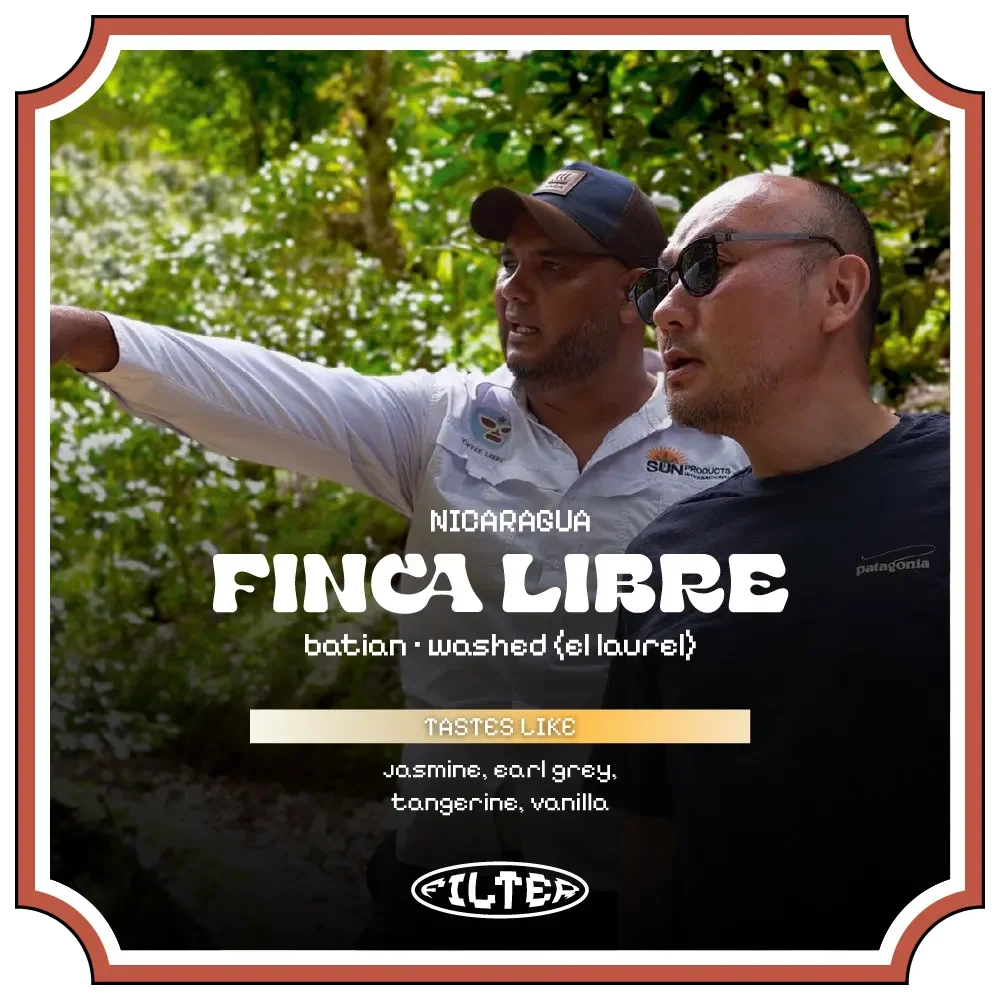
Finca Libre is a 55-hectare farm located in the Mozonte mountains of Nueva Segovia, northern Nicaragua, near the Honduran border. The farm's owner, Pil Hoon Seu, is originally from South Korea, where he owns Coffee Libre, a prominent roastery. After falling in love with Nicaragua, he purchased the farm in 2015, renaming it Finca Libre − "Free Farm" − in a spirit of freedom and sharing.
Upon acquiring the farm, Pil discovered that growing coffee was far more difficult than anticipated. The cold, wet microclimate delays harvest by two to three months compared to neighboring farms. Rather than retreating, Pil embraced these challenges. He has worked to restore the plantation plot by plot, planting only genetically traceable varieties and, notably, sharing seeds freely with other producers in the region. This open sharing has enabled less-connected farmers to produce high-quality lots, compete in events like the Cup of Excellence, and significantly increase their incomes. Edwin Zuniga, a local producer, serves as farm manager when Pil is in Korea.
This specific lot features the Batian variety, planted at the highest point of Finca Libre at 1,600 meters above sea level. Batian is a relatively new variety released in Kenya in 2010, named after the highest peak on Mount Kenya. It is a composite variety created from multiple parent lines, including SL28, SL34, Rume Sudan, N39, K7, and the Timor Hybrid. Batian offers resistance to Coffee Berry Disease, intermediate resistance to Coffee Leaf Rust, high yield potential, and very large beans. At 1,600 meters, the altitude approaches the upper limit for Batian's optimal growing range.
Here, the processing method employed is what Pil terms El Laurel, a technique he learned from a neighbor in Honduras. He now uses it for all his washed coffees, finding that it suits the coffees Finca Libre produces exceptionally well.
The El Laurel method can be understood as an extended version of the traditional Kenyan double-wash process. After pulping, the coffee undergoes fermentation, during which cold water is poured every six hours to lightly mix the beans and drain the water. This cycle continues for approximately 36 to 40 hours, though the duration varies depending on weather conditions.
The continuous pouring of cold water serves three critical functions: it stably lowers the temperature that naturally rises during fermentation, it increases and stabilizes the pH of the fermentation environment, and it thoroughly washes away fermentation byproducts. The result is a natural and clean extension of the fermentation process, producing coffee with preserved acidity and freshness.
From his journey, Pil has gained deep appreciation for farmers' dedication and the climate crisis's severity. His response has been to build an operation rooted in traceability, genetic transparency, and open sharing − a model that benefits not only Finca Libre but also the broader coffee community in Nueva Segovia.
-
Sourced from: Coffee Me Up
We paid: S$38.26/kg
Roasted cost: S$58.52/kg -
Moisture content: 11.9%
Weight loss: 11.9%
Agtron: W88.1 / G126.3 / △38.2