 Image 1 of 3
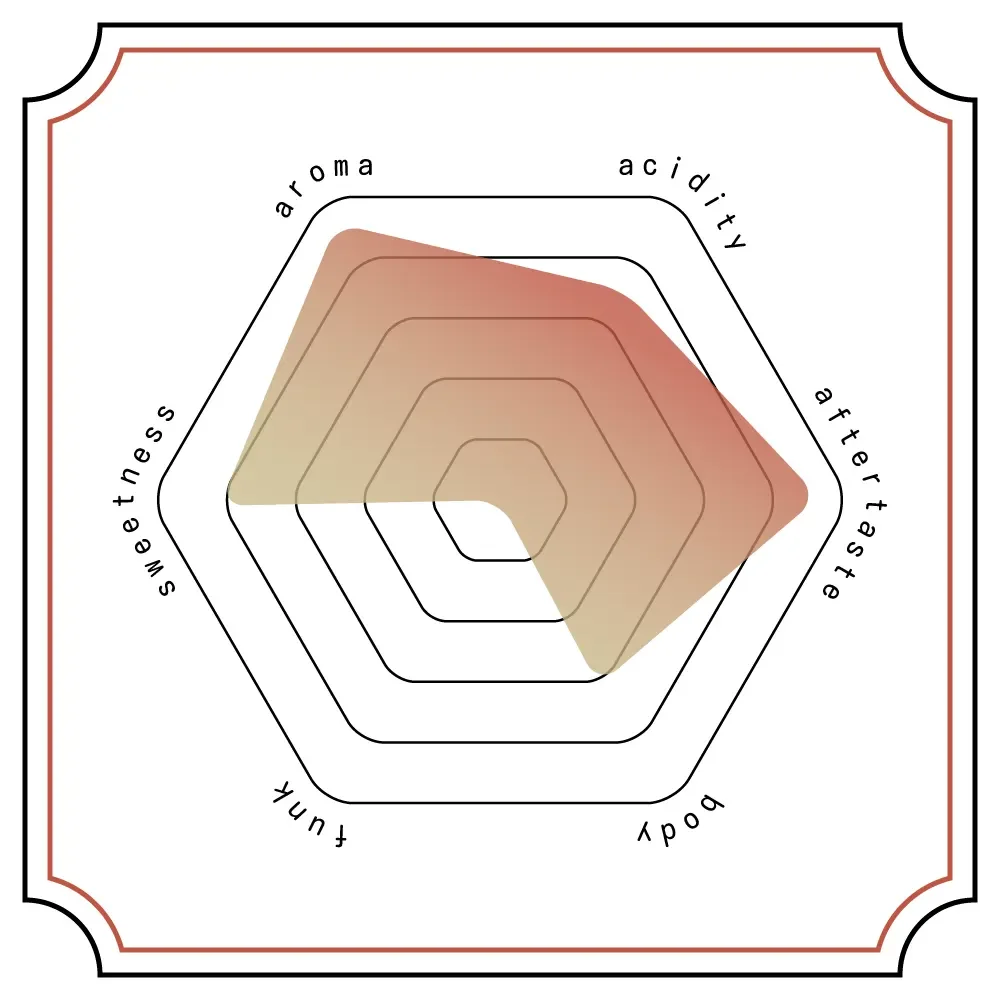 Image 2 of 3
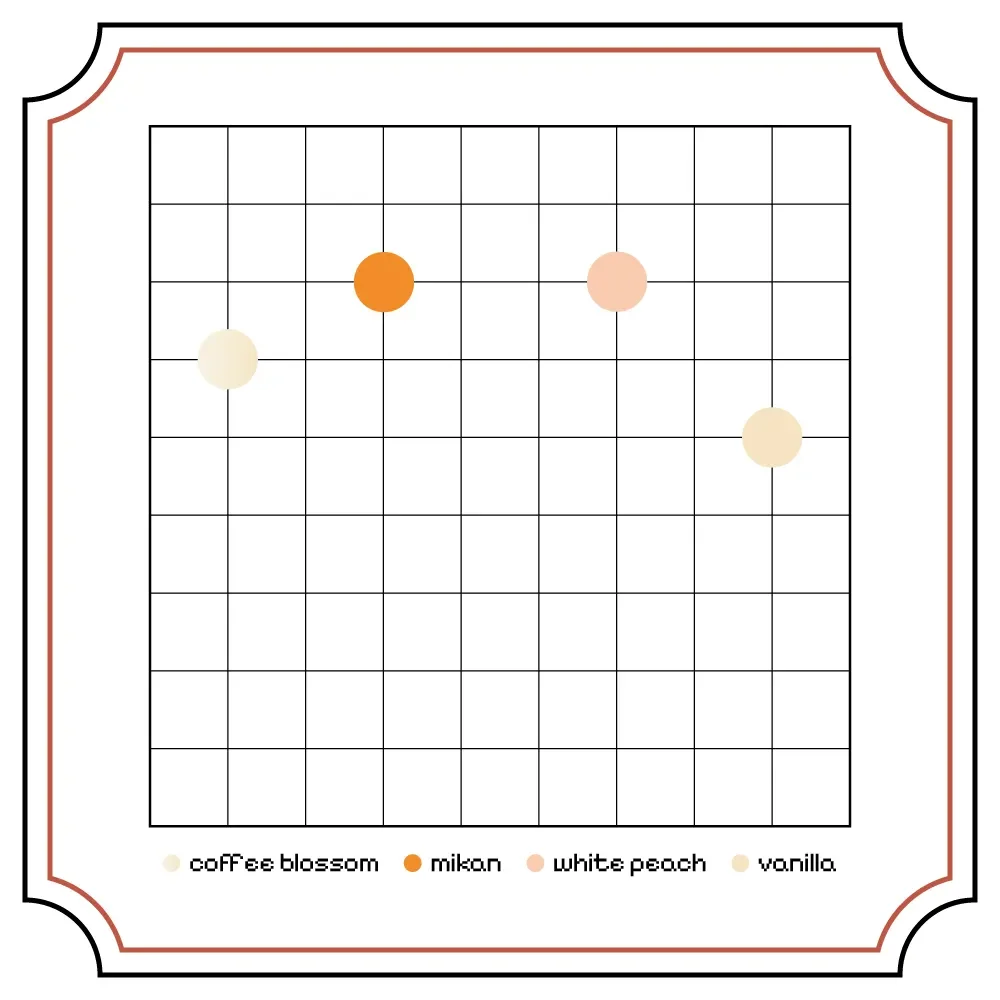 Image 3 of 3
-
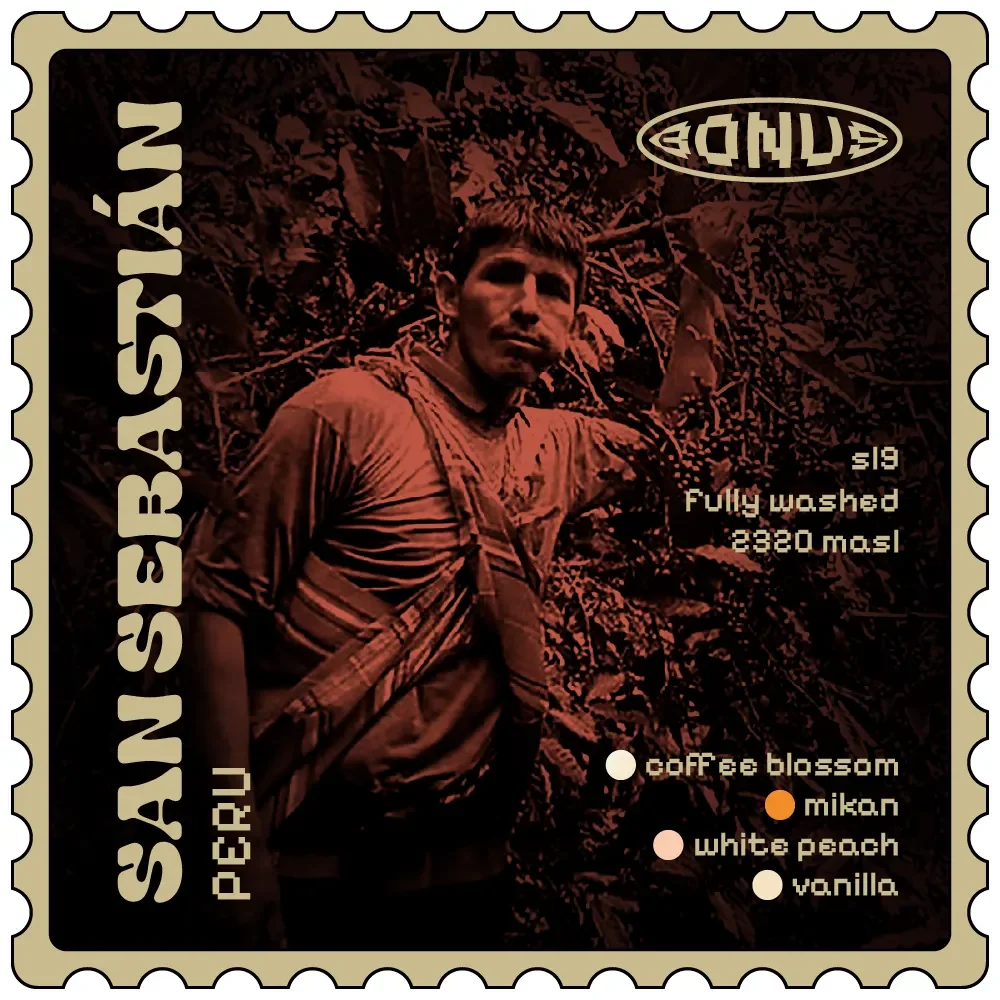
Region: Inkawasi, Cusco
Producer: Julio Chávez
Cultivar: SL9
Process: Fully Washed
Elevation: 2320 maslRoast level: Extremely light
Roasted for: Filter
Rec. rest: 28 days
Net weight: 100g -
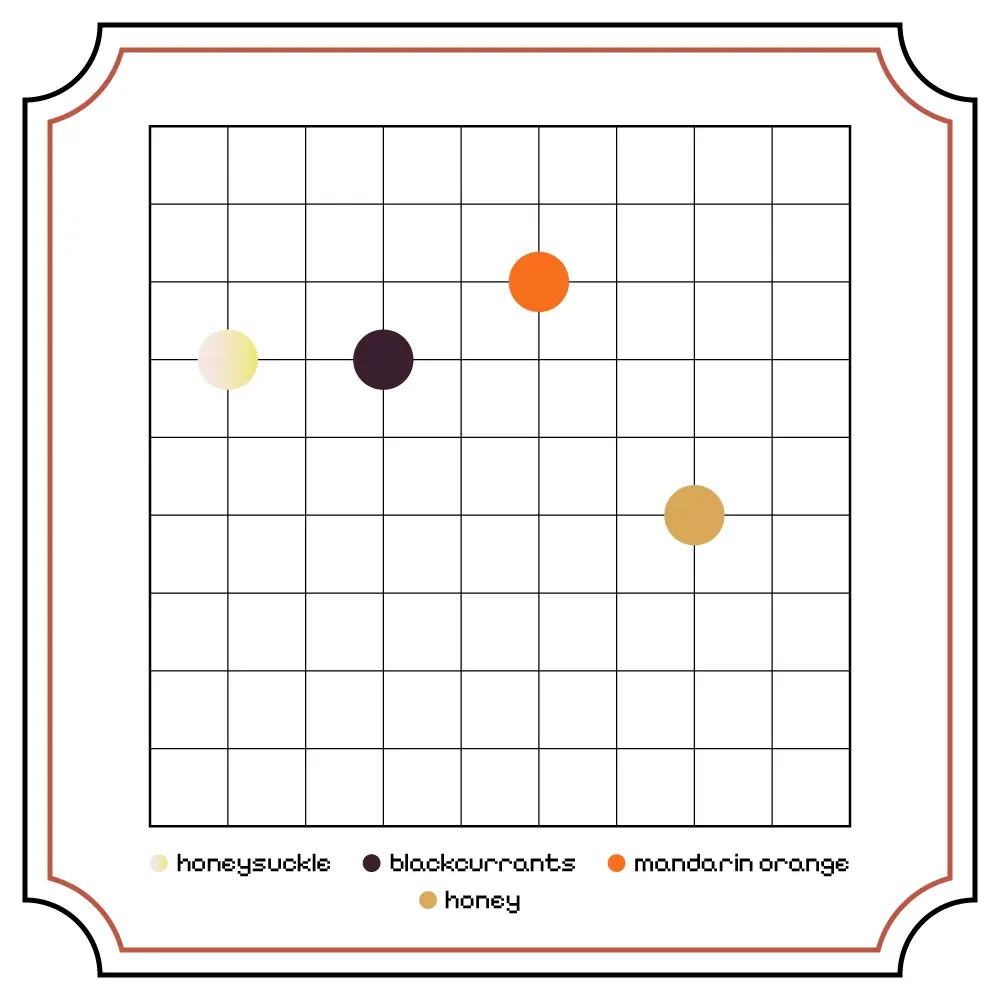
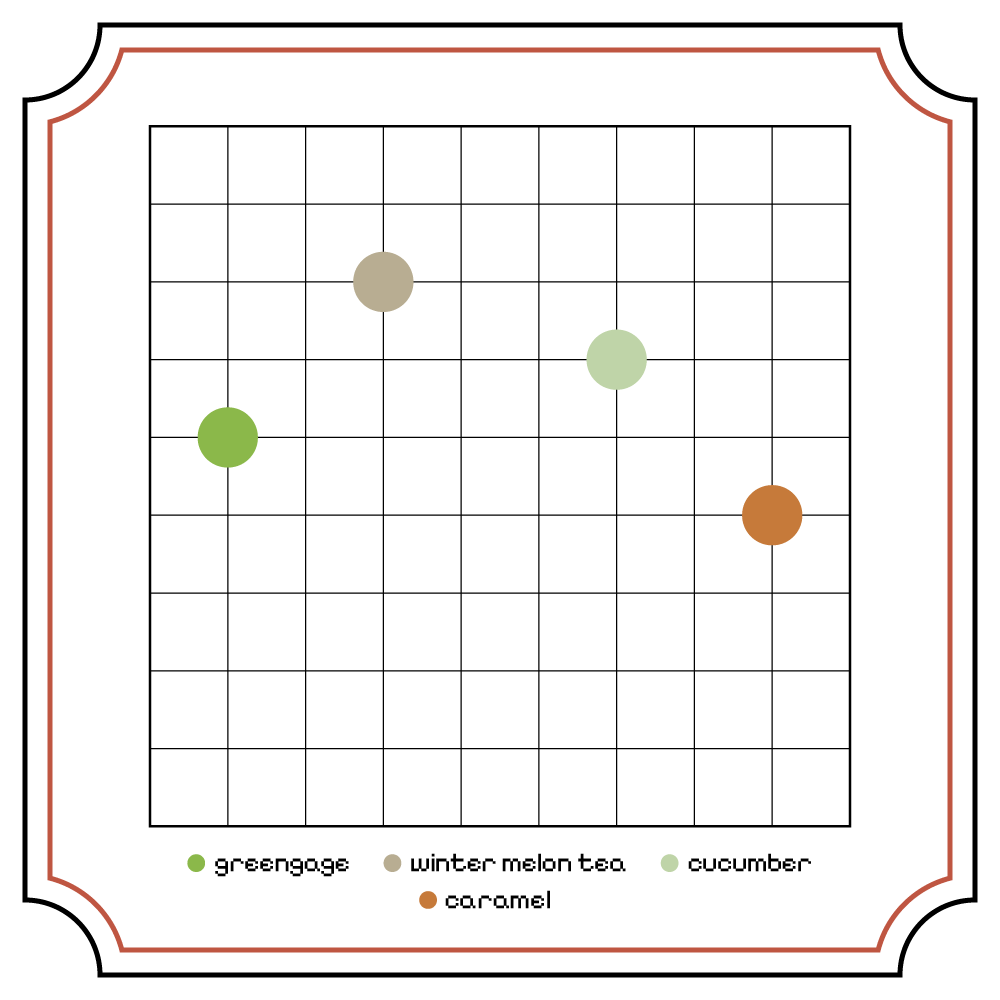
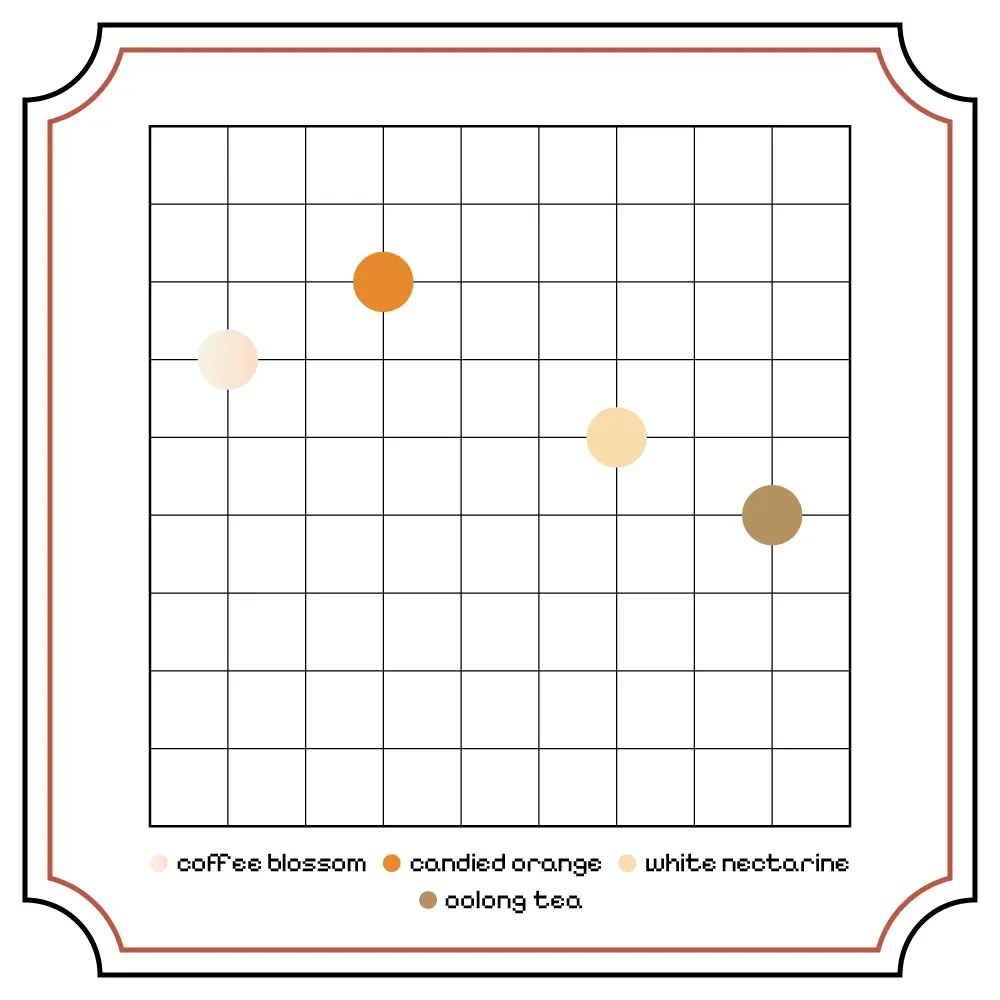
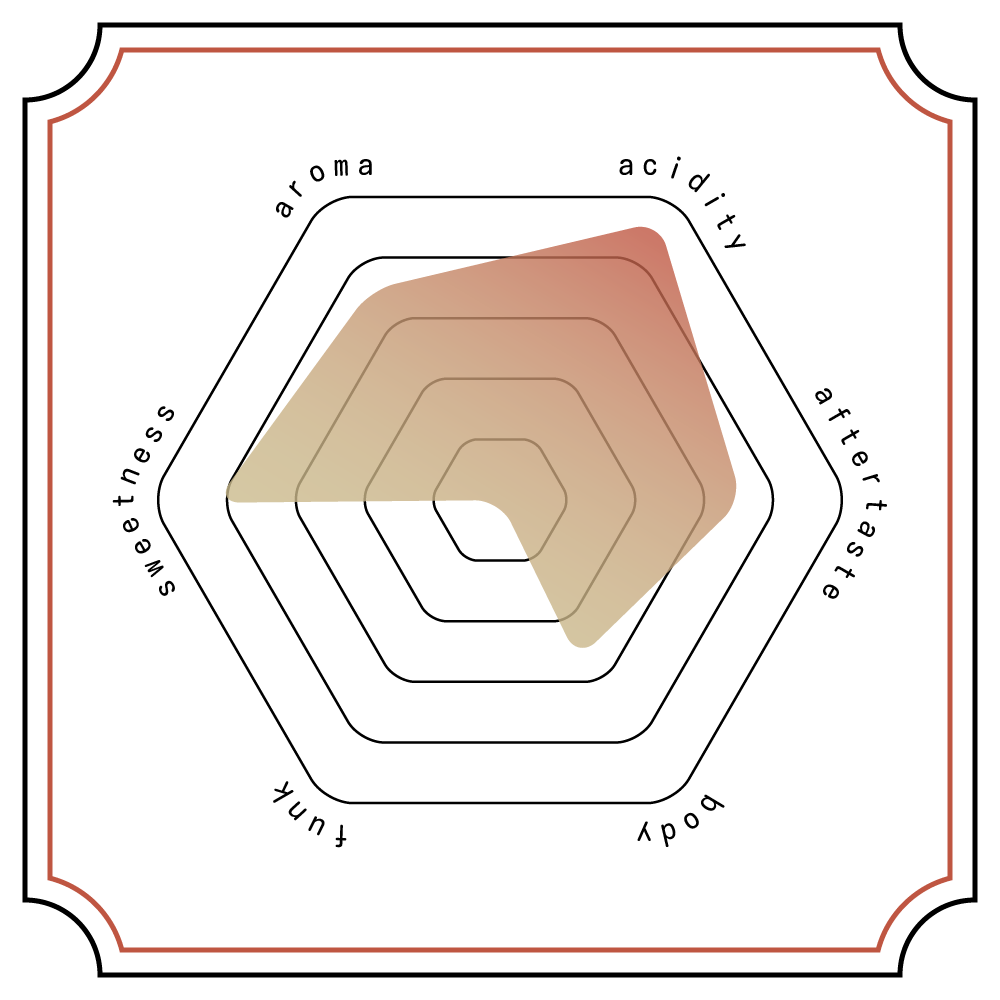
Tasting Notes: Coffee blossom, mikan, white peach, vanilla
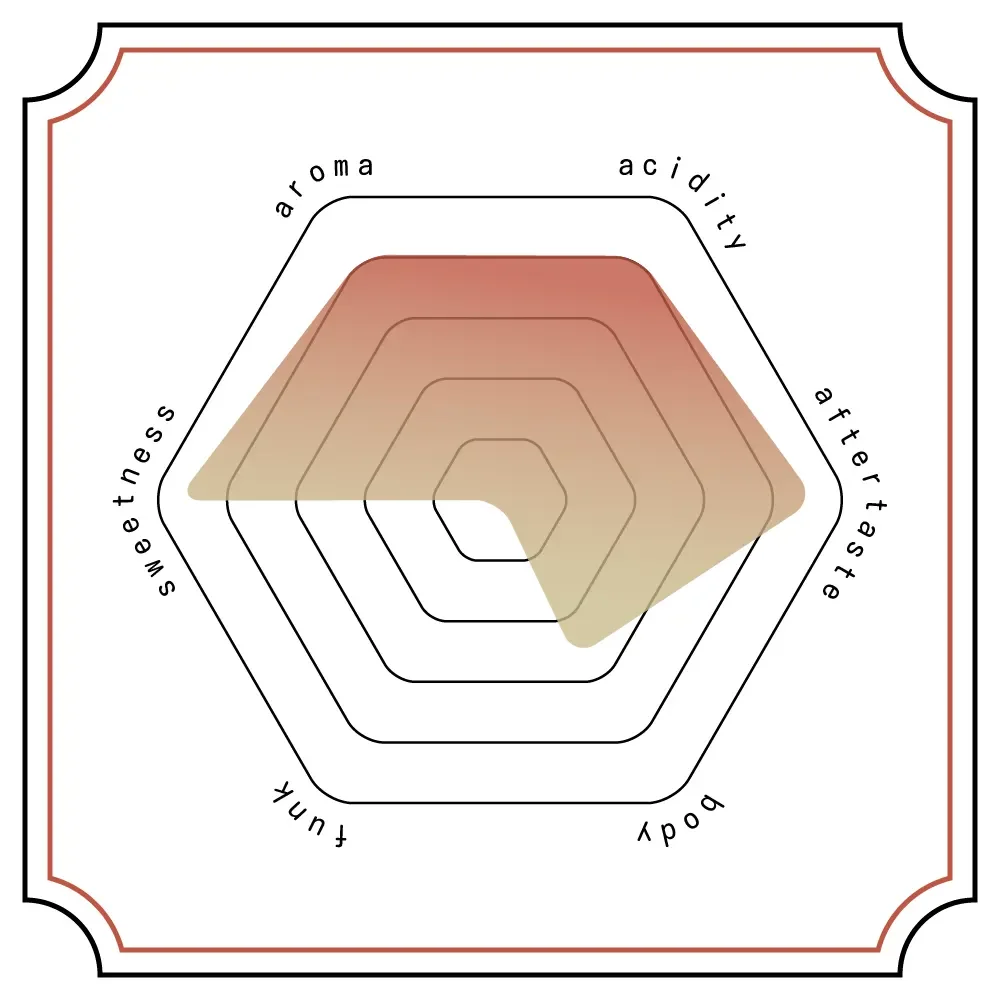
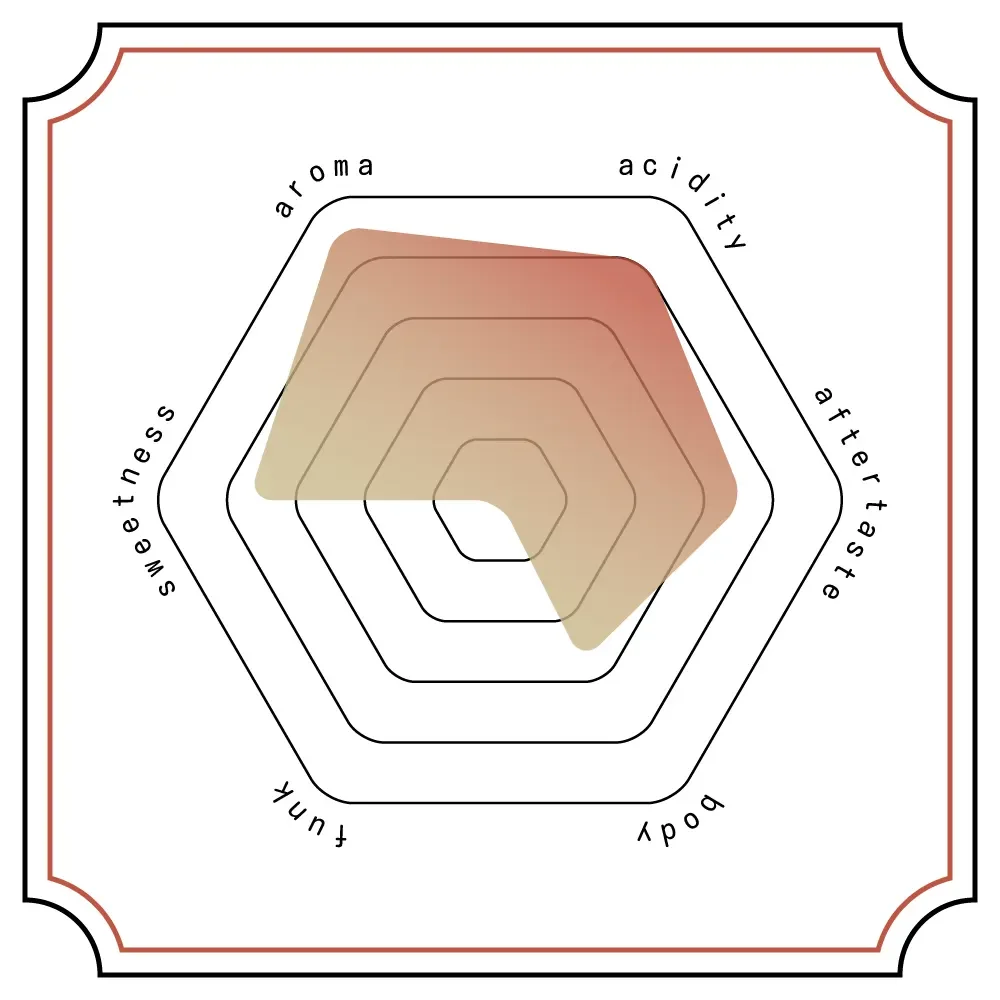
Fragrance/Aroma: White florals, mikan, peach, vanilla, creamy
Acidity: Rounded, citric
Body: Juicy, silky, slightly milky
Aftertaste: Lingering, honeyed, creaminess of vanillaThe fragrance opens with delicate white florals, layered with mandarin, white peach, and a soft cane sugar sweetness. As the coffee brews, the citrus becomes more defined, shifting toward the sweet, perfumed character of candied mikan, while subtle vanilla notes broaden into a gentle creaminess.
On the palate, the cup is notably ethereal, supported by a rounded citric acidity that provides structure without sharpness. Sweet mikan and white peach alternate seamlessly through the front and mid-palate, creating a fluid interplay of citrus and stone fruit. Throughout, coffee blossom lends a quiet floral lift, enhancing the cup's aromatic precision without overtaking the fruit.
The body is silky with a lightly milky texture, reinforcing the coffee's composed, weightless character. As the cup settles, the fruit gradually gives way to a clean honeyed sweetness intertwined with the creaminess of vanilla that lingers softly on the palate. The overall impression is one of refinement and restraint − a coffee defined not by intensity, but by elegance, transparency, and impeccable balance.
-
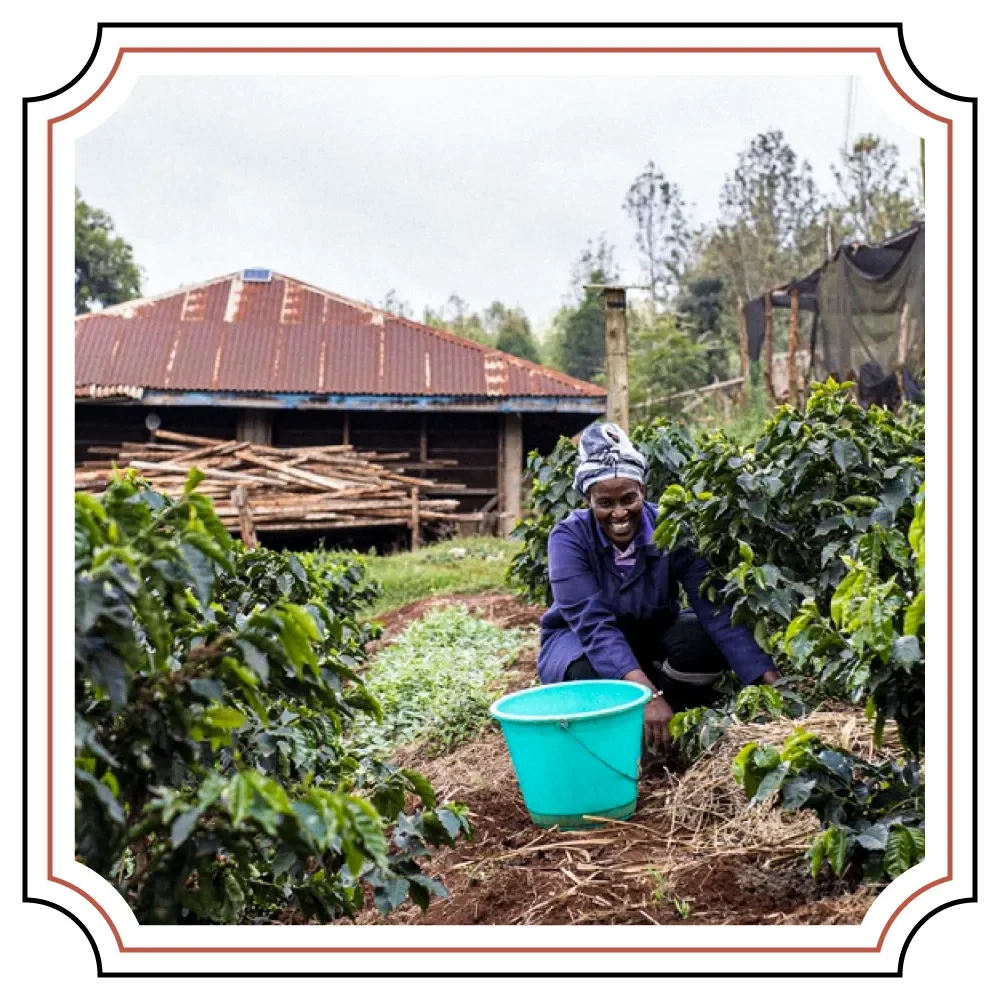
Situated 2,320 meters above sea level in in the community of Amaybamba, deep within the Inkawasi Valley of Cusco's La Convención province, Finca San Sebastián was named as such in honor of Julio Chavez’s eldest son. It is operated within the Incahuasi cooperative where knowledge, organic inputs, and natural fertilizers are shared among members. All coffee produced within the cooperative is certified organic under IMO standards and carries the Sello de Pequeños Productores certification. At an elevation where few Peruvian farms operate, the growing season is compressed and sugars are concentrated slowly, creating conditions that reward the patient and attentive producer.
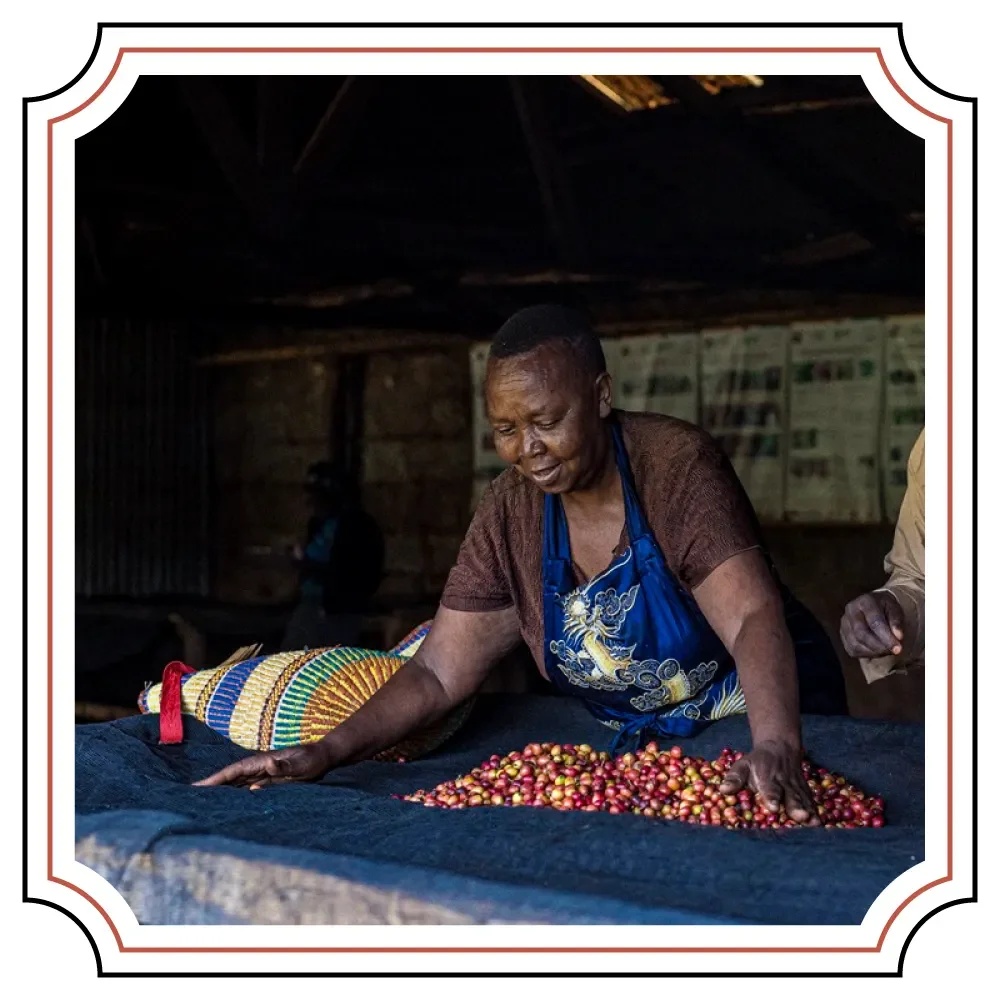
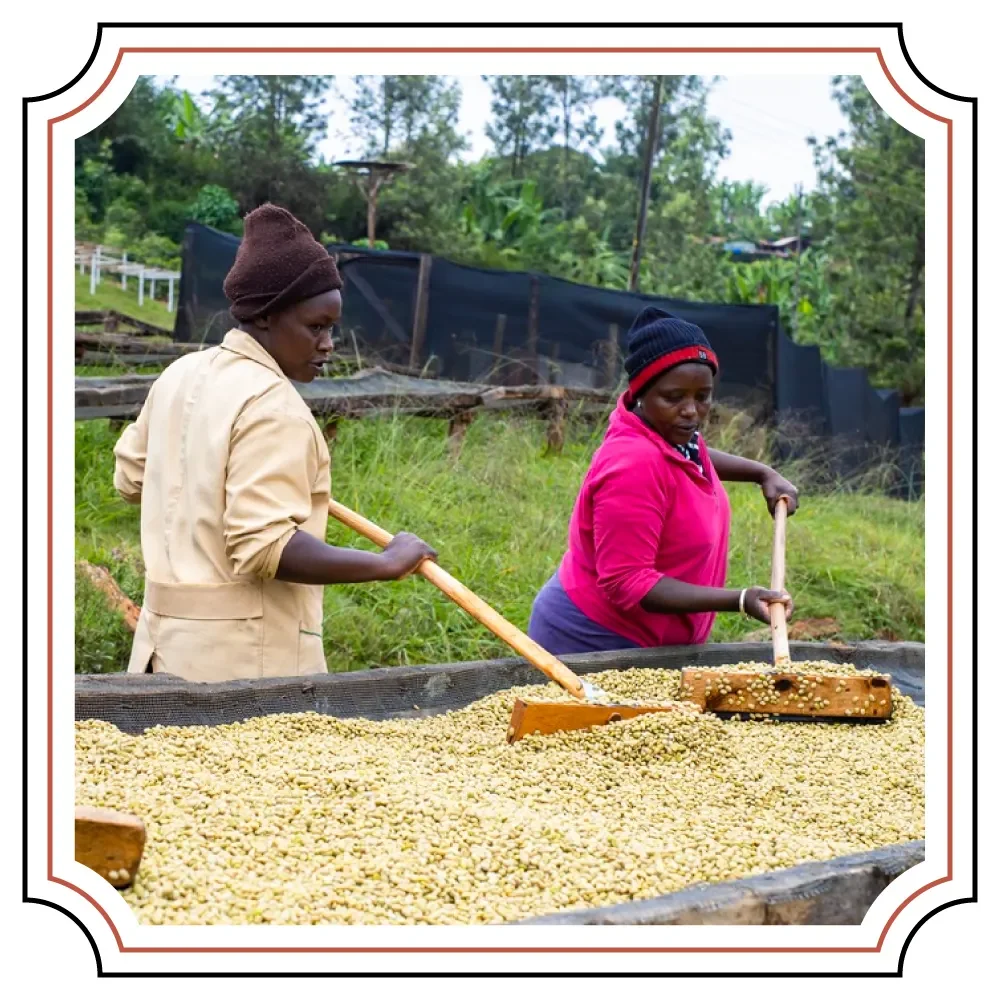
Julio's approach to post-harvest processing reflects the same care applied in the field. After floating and pulping, cherries are fermented for 36 hours before parchment is laid out on raised African-style drying beds and turned repeatedly throughout each day until stable moisture is reached. That discipline has been consistently recognized at the Peru Cup of Excellence. In 2022, 2nd place was awarded to his washed Geisha lot, which scored 90.25 points. In 2024, a further placement was achieved with an SL9 lot, which ranked 7th with a score of 89.29. Placing across different varieties and in multiple editions of what has become a highly competitive program reflects a production standard that is repeatable, not incidental.
The SL9 variety grown at San Sebastián sits at the center of one of specialty coffee's more intriguing ongoing conversations. For years it was cultivated locally as "Inca Gesha" and assumed to be related to the famed Panamanian Geisha. That assumption was challenged when independent DNA fingerprinting was commissioned by several roasters and producers, including Sey Coffee, Lucio Luque, Colonna, and Finca Tres Cedros, with testing carried out by RD2 Vision in France and World Coffee Research in the United States. Results were consistent across multiple farms: the trees were not Gesha. Instead, a close genetic resemblance to SL9 was identified, an obscure cultivar developed at Kenya's Scott Agricultural Laboratories in the 20th century, along with traces of Bourbon lineage suggesting natural mutations and outcrossing over generations of Andean cultivation.
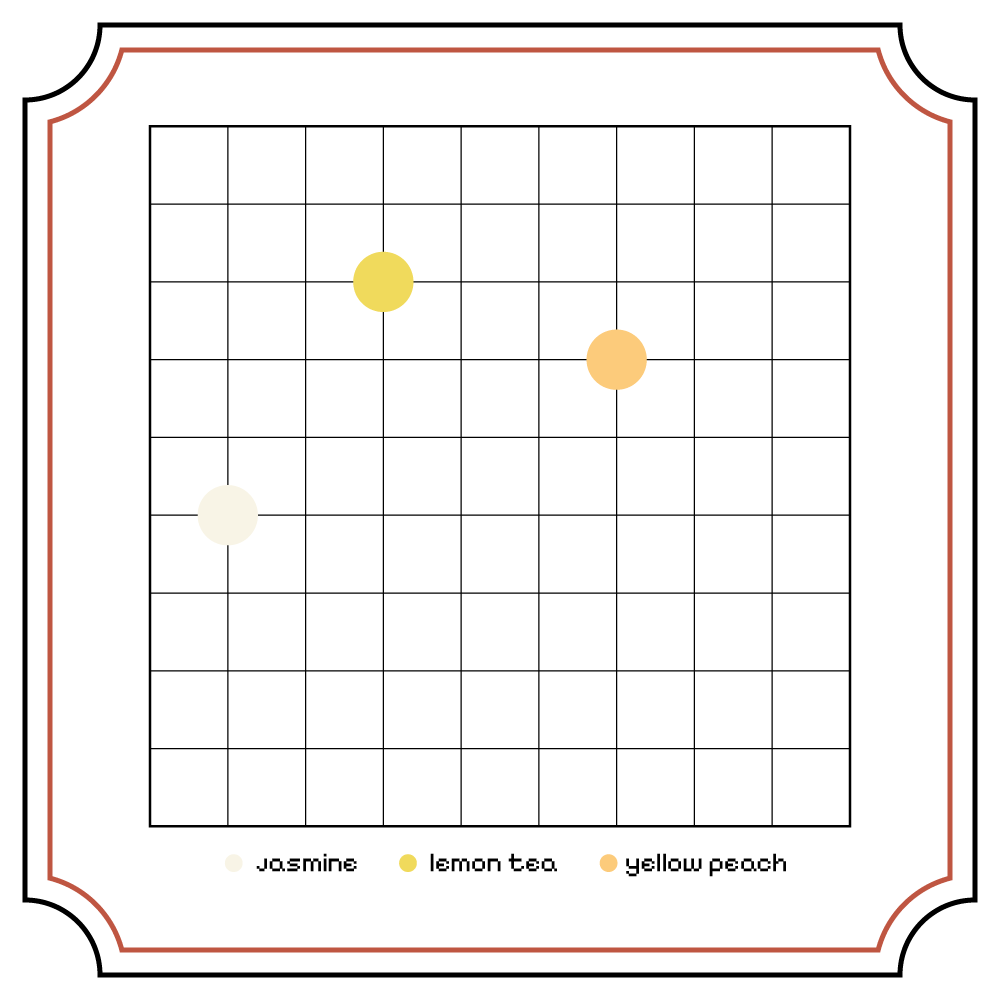
SL9 was largely abandoned in Kenya due to susceptibility to Coffee Berry Disease and low productivity, and how it arrived in Peru remains undocumented. One theory holds that it travelled directly from Ethiopia, with records of seed deliveries offering partial support. Another suggests it arrived through Kenya's distribution networks before records were lost. The full migration history may never be recoverable. Both the SL9 and Inca Gesha names remain in active use, and the question of which is more appropriate is unlikely to be settled soon. What is not in question is the cup: jasmine, lychee, bergamot, and passionfruit are consistently encountered across lots, followed by a tea-like clarity on the finish that makes the variety immediately recognizable to those who have tasted it.
-
Sourced from: 品力非
We paid: S$82.34/kg
Roasted cost: S$133.22/kg -
Moisture content: 9.7%
Weight loss: 11.3%
Agtron: W75.8 / G120.8 / △45.0