 Image 1 of 3
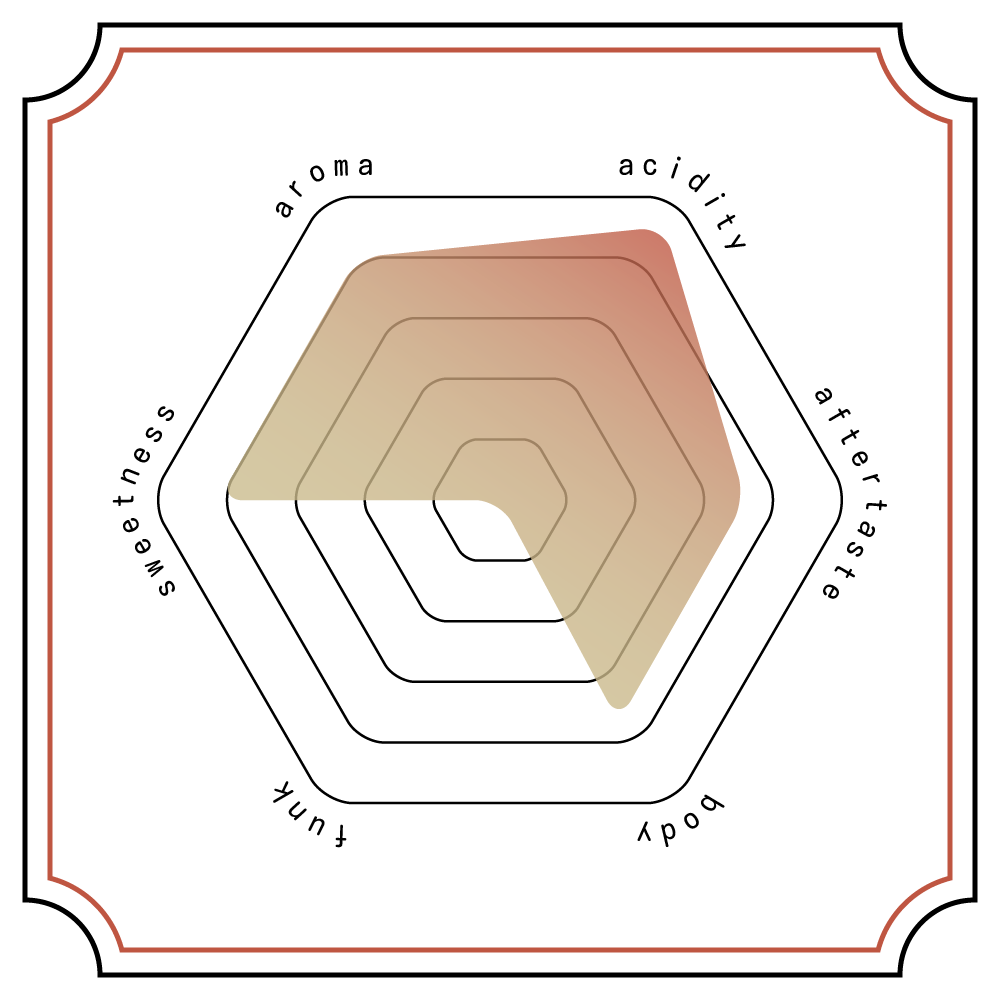 Image 2 of 3
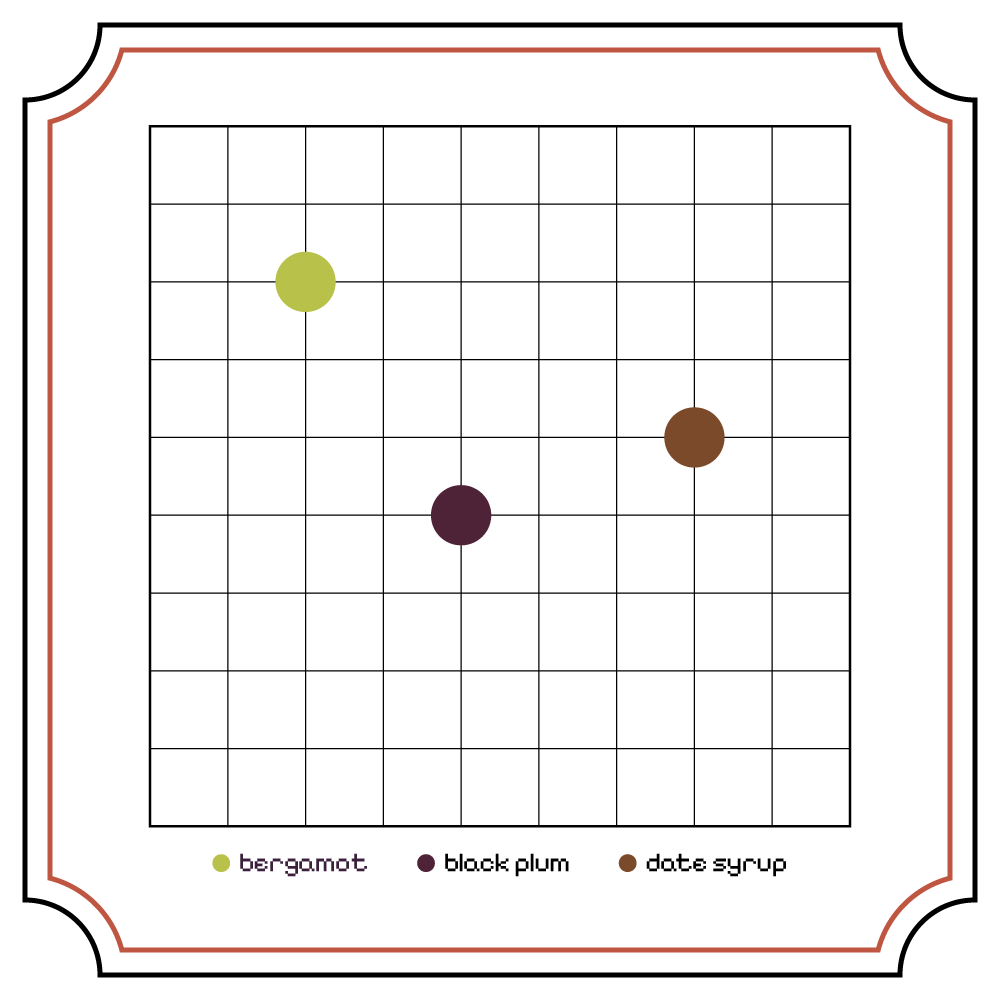 Image 3 of 3
-
Region: Ngororero, Western Province
Producer: Ubuntu Coffee (via smallholders)
Washing Station: Ngororero
Grade: G1
Varietal: Red Bourbon
Process: DF (Dry Ferment) Washed
Elevation: 1800 maslRoast level: Very light
Roasted for: Filter
Rec. rest: 21 days
Net weight: 150g -
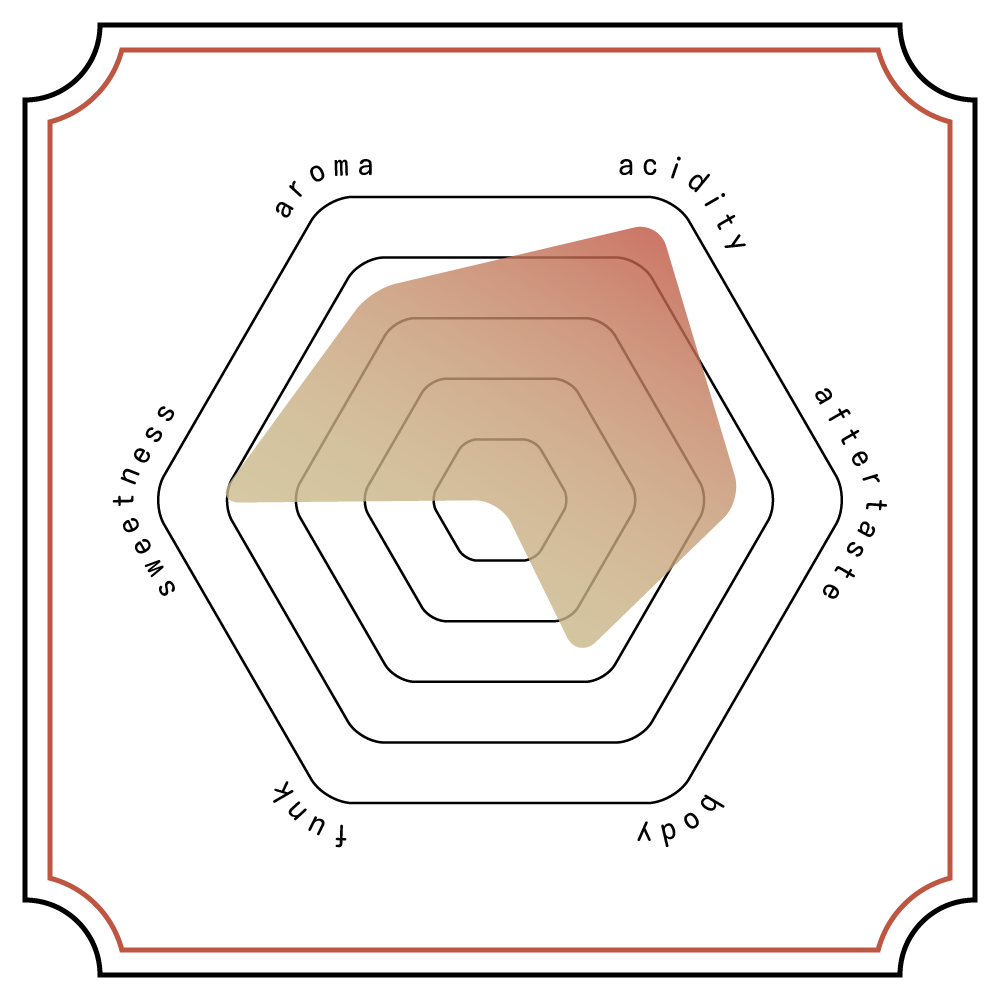
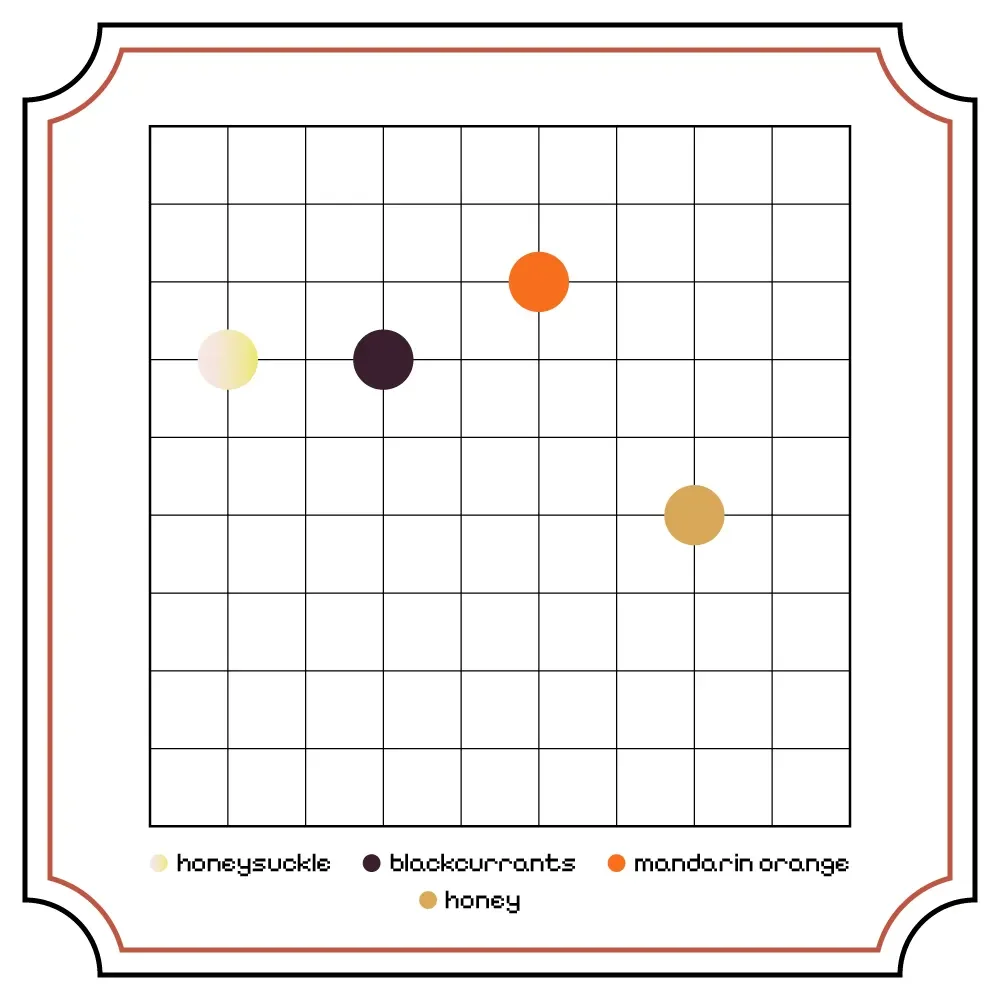
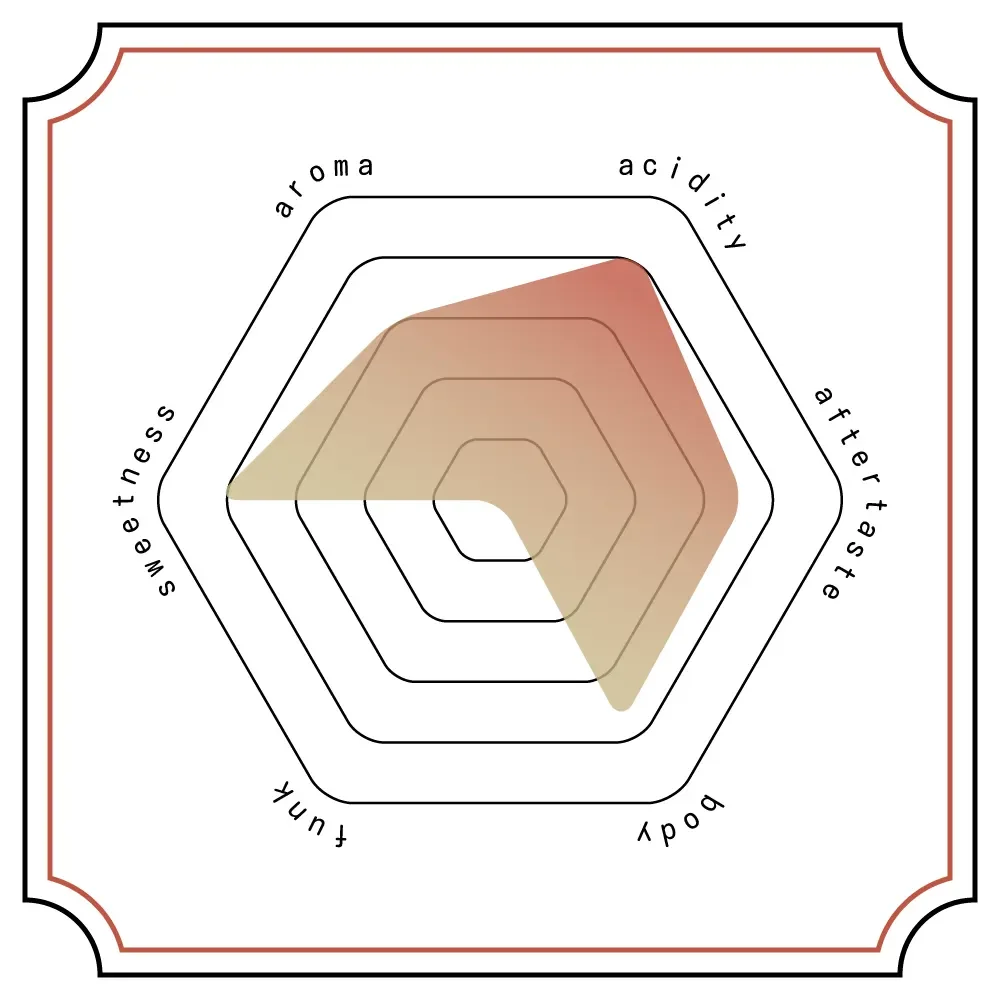
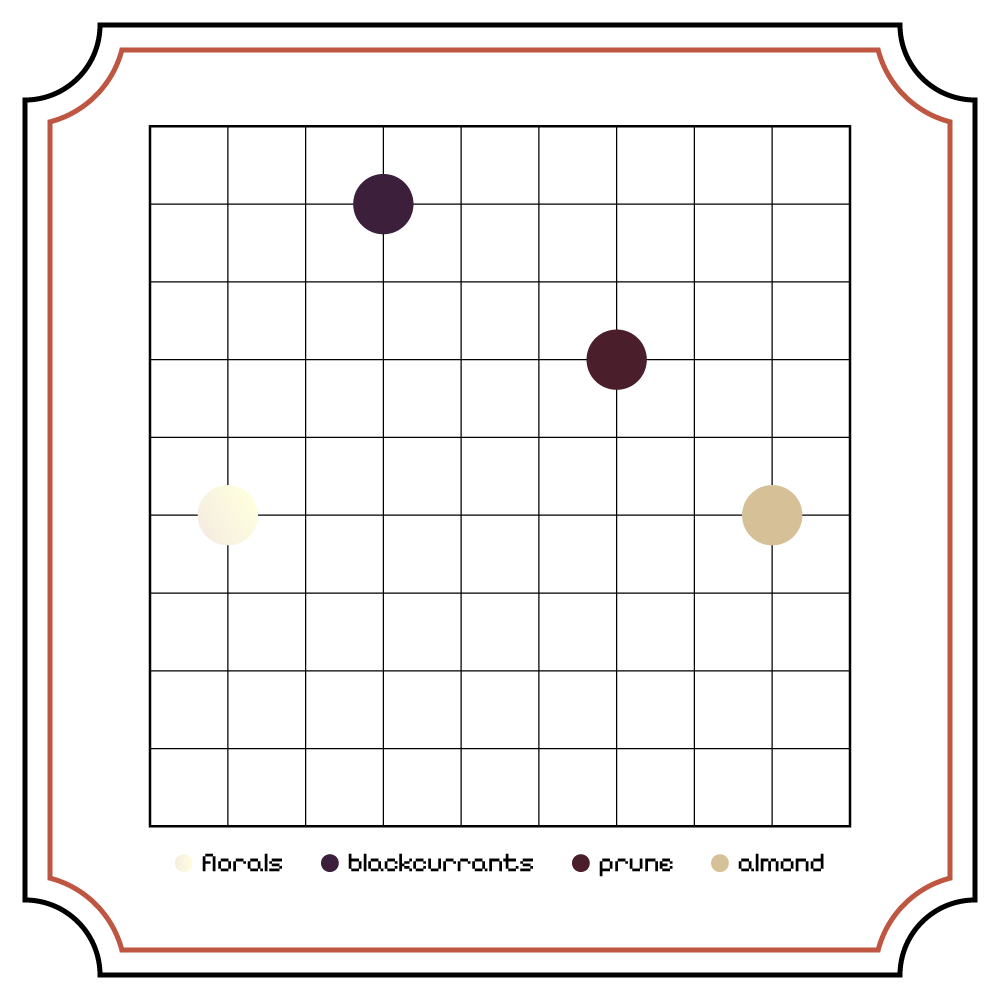
Tasting Notes: Bergamot, black plum, date syrup
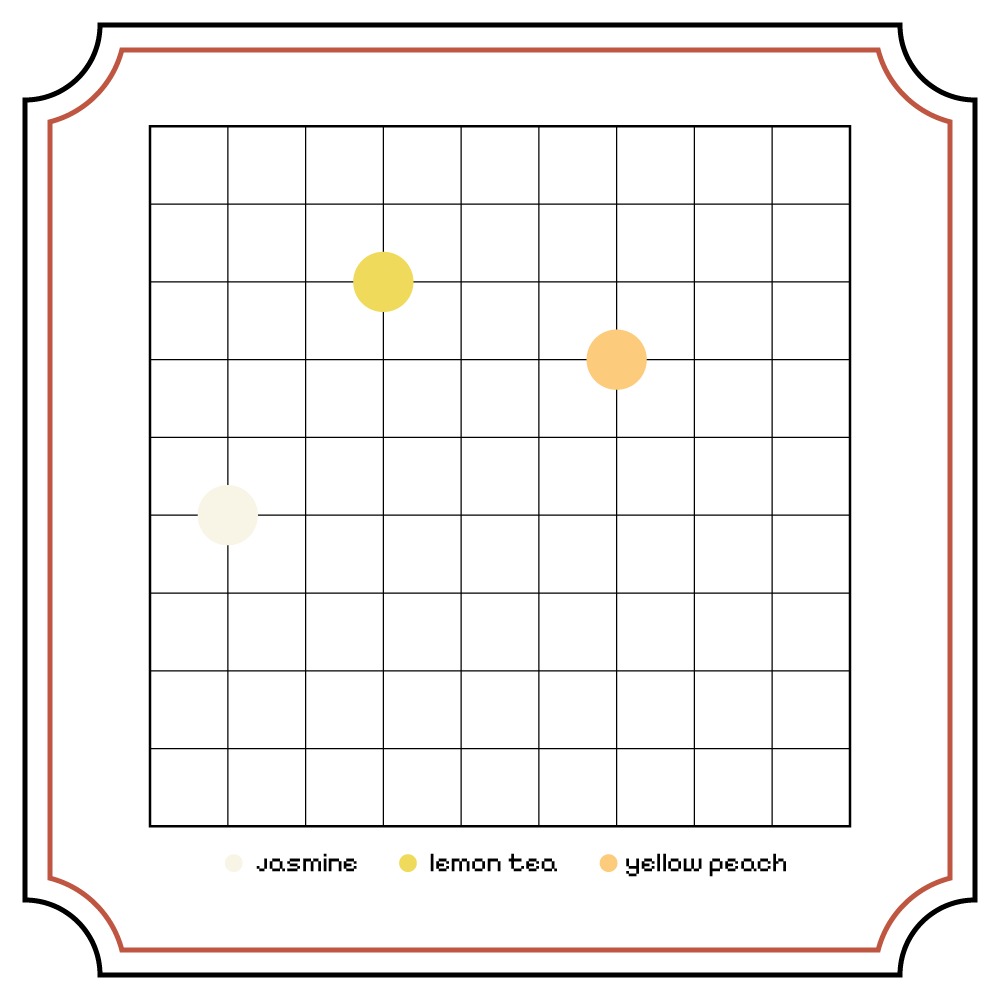
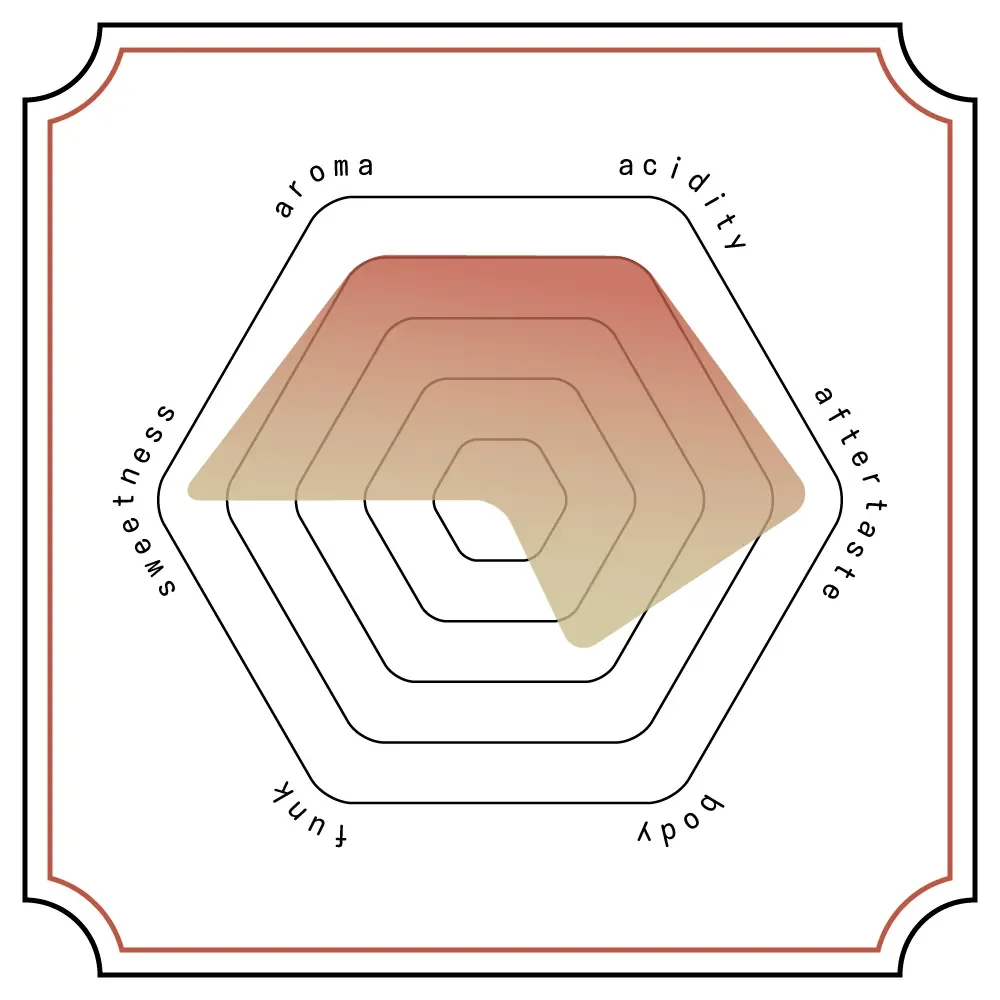
Fragrance/Aroma: Coffee blossom, molasses, slightly earthy
Acidity: Structured, malic, citric
Body: Syrupy
Aftertaste: Lingering, toffee/caramel-like sweetnessThe dry fragrance is delicately floral, with notes of jasmine and a light citrus lift underpinned by a subtle herbal edge, bringing to mind the scent of coffee blossom. As the coffee brews, the aroma develops a waxy stone fruit quality, accompanied by the deeper, more concentrated sweetness of date syrup. Hints of molasses add further weight, lending the aromatic profile a faintly earthy depth.
In the cup, a syrupy weight carries the profile from the outset, lending a sense of richness and concentration to the experience. Structured acidity brings a combination of malic and citric qualities, with bergamot taking the lead. Its citrus character is bright and defined, yet balanced by the weight of the cup. As the initial citrus notes recede, the profile transitions towards black plum, expressed through subtly floral aromatics, gentle sweetness and a honeyed stone fruit character. This lends the middle of the cup a softer, more rounded quality without losing its structure.
The sweetness deepens towards the finish, where date syrup becomes increasingly prominent. Rich and molasses-like, it carries through to the end, leaving a lingering impression of sticky toffee and caramel. The result is a well-integrated cup that moves from delicate florals and bright bergamot through honeyed black plum, before settling into a rich, syrupy sweetness that remains long after each sip.
-
Ngororero Washing Station is located in Rwanda’s Western Province, a region whose steep hillsides and high-altitude growing conditions are well suited to producing specialty Arabica. The station is managed by Wilden Pretorius’ Ubuntu Coffee, a venture shaped by his experience in the specialty coffee industry and his desire to build a more direct, meaningful connection between coffee producers and the wider market.
Wilden’s route into production was shaped by years spent working in specialty coffee in the United Arab Emirates. He was part of the team at Archer’s Coffee in Sharjah, a specialty coffee roastery and green coffee supplier that has since expanded into roasting, training and retail. His work there brought him into contact with a broad network of producers, exporters and roasters, while giving him a closer understanding of what buyers look for in quality and processing. Before his time in the UAE, he had also spent time in Rwanda working alongside Emmanuel from Baho Coffee.
Those experiences eventually led him to establish Ubuntu Coffee. The name draws on the African philosophy of Ubuntu, often expressed as “I am because we are”, an idea rooted in shared humanity and interconnectedness. For Wilden, the move into production was an opportunity to spend more time refining processing techniques, experiment with ways of pushing Rwandan coffee further, and build closer working relationships with roasters around the world. Their feedback, in turn, could inform future processing decisions. Just as importantly, Ubuntu’s approach connects quality improvement with the livelihoods of the local farming community, recognising that better coffee and better outcomes for producers should go hand in hand.
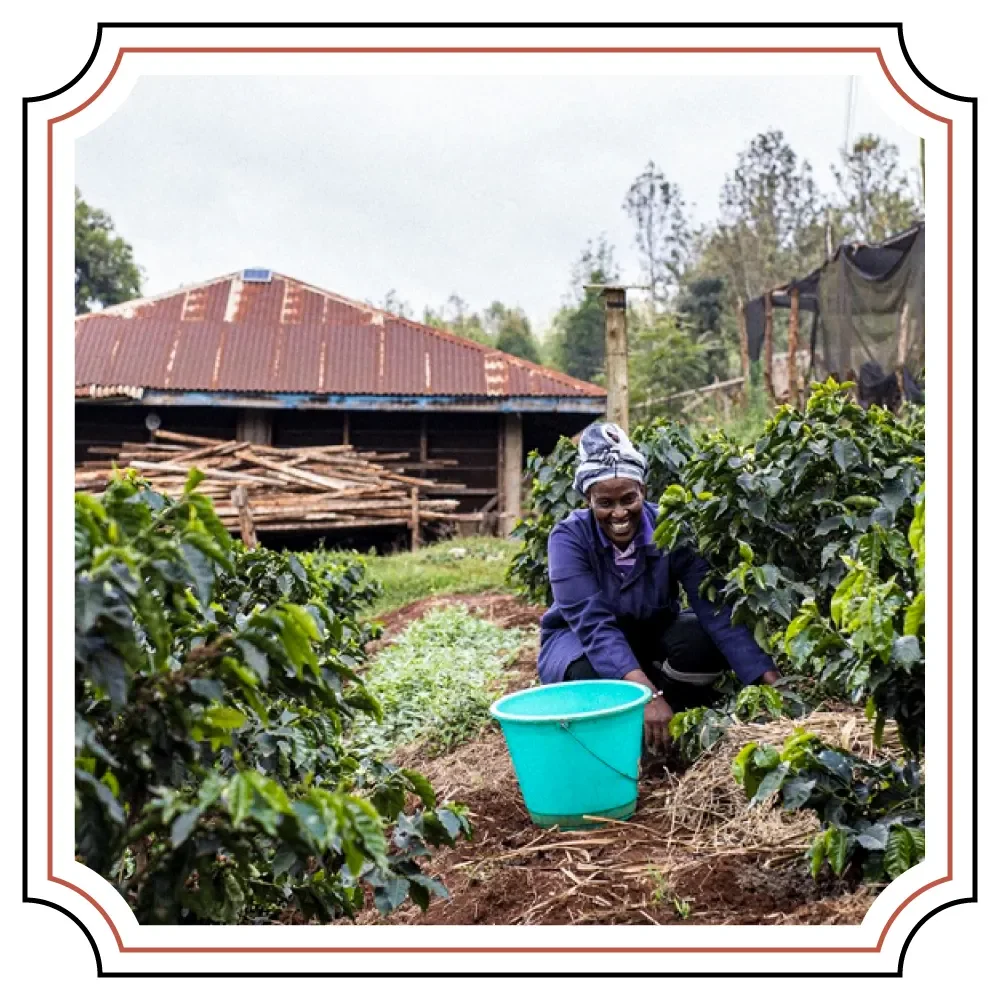
Ngororero is an especially interesting place to pursue this work. Situated in Rwanda’s Western Province, the district has historically been better known for mining than coffee, with coffee cultivation only more recently receiving greater encouragement. Ubuntu has been building relationships with local farmers and sourcing cherries from higher-altitude growing areas, reported at approximately 1800 to 2100 masl for its Ngororero lots. Keeping purchasing channels open through the harvest is part of this commitment. Cherries at higher elevations take longer to ripen, and continued buying gives farmers greater assurance that their crop will find a market.
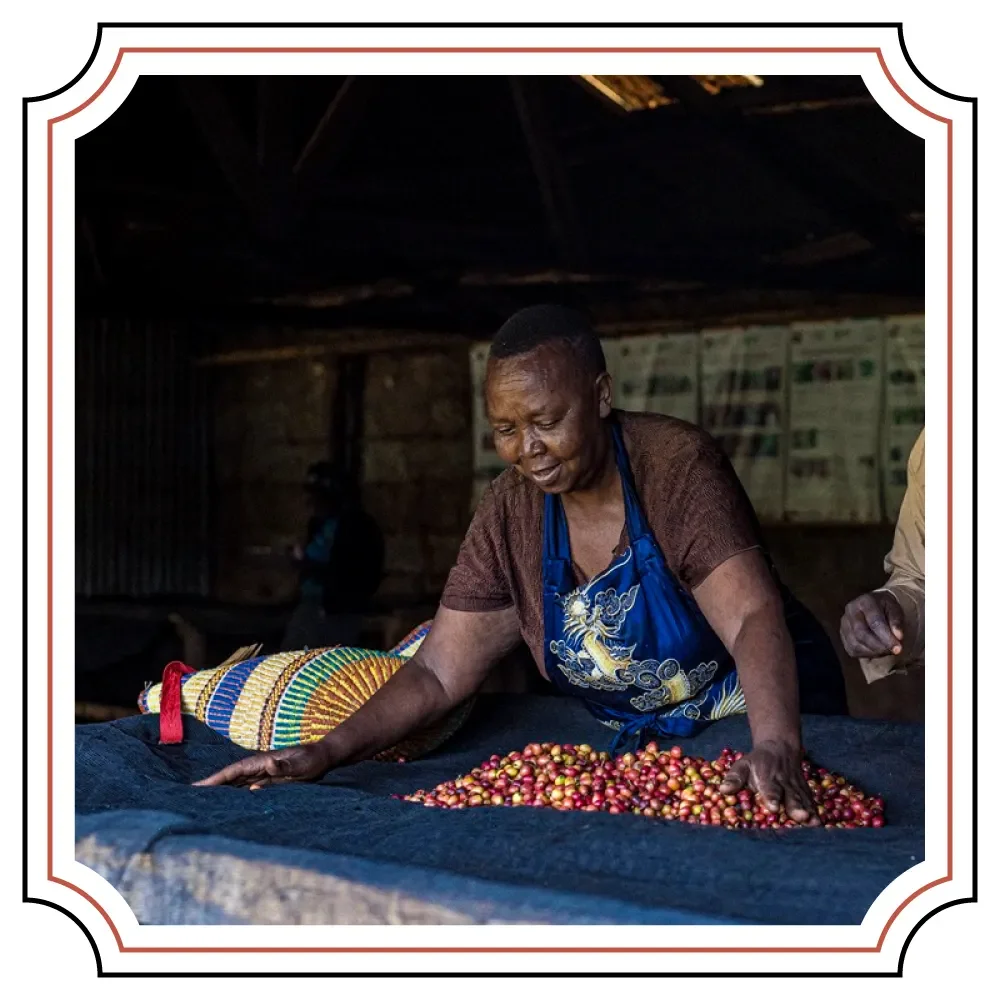
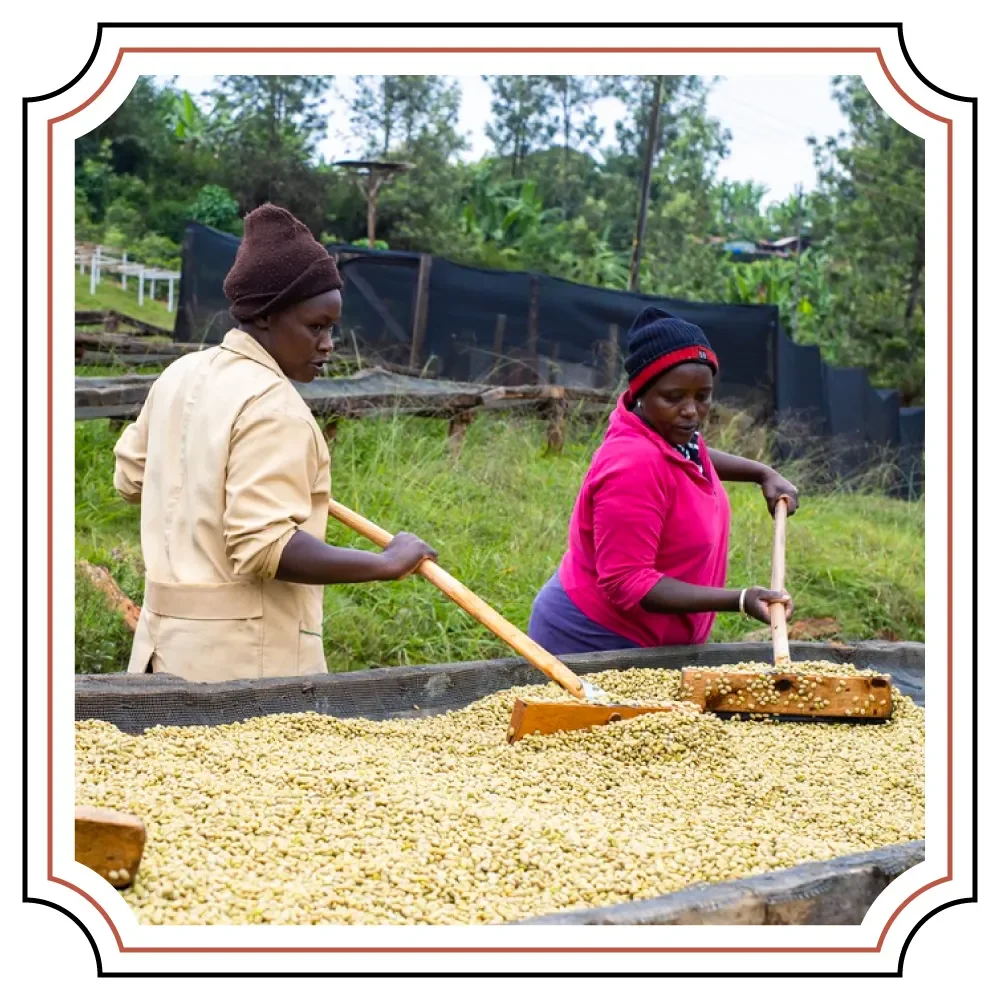
For this lot, Ubuntu employs a dry-fermentation washed process. After harvesting, the cherries are depulped, removing the outer skin and fruit while leaving the beans covered in mucilage. They are then fermented without additional water, allowing naturally occurring microorganisms to break down the remaining mucilage. Once fermentation is complete, the beans are thoroughly washed before being dried to a stable moisture content. Unlike wet fermentation, which submerges depulped coffee in water, dry fermentation keeps the beans in closer contact with their mucilage throughout this stage. The subsequent washing removes the loosened mucilage and helps produce a clean, defined cup. It is a considered approach to processing, giving Wilden room to explore fermentation while retaining the clarity associated with washed coffee.
Ubuntu’s early work has already attracted recognition. In its first harvest, the company placed second in the Special Process category at Best of Rwanda 2026. For Wilden, however, the competition result is only one measure of progress. The larger ambition is to keep refining the work at the washing station, strengthen relationships with the farmers who supply it, and create a productive feedback loop with roasters who share an interest in exploring what Rwandan coffee can become.
-
Sourced from: GHands
We paid: S$34.77/kg
Roasted cost: S$53.11/kg -
Moisture content: 9.4%
Weight loss: 10.3%
Agtron: W63.1 / G109.7 / △46.6